
“We are often taught to look for the beauty in all things, so in finding it, the layman asks the philosopher while the philosopher asks the photographer.”
― Criss Jami, Killosophy
In the aftermath of the recent flood, Vermonters of every ilk came together to help those most affected survive and get back on their feet. There were tasks for every age and ability. I had several different duties, including the one I chose for myself…that of bearing witness…finding beauty in the chaos.
“Grief needs an outlet. Creativity offers one.
Hope Edelman
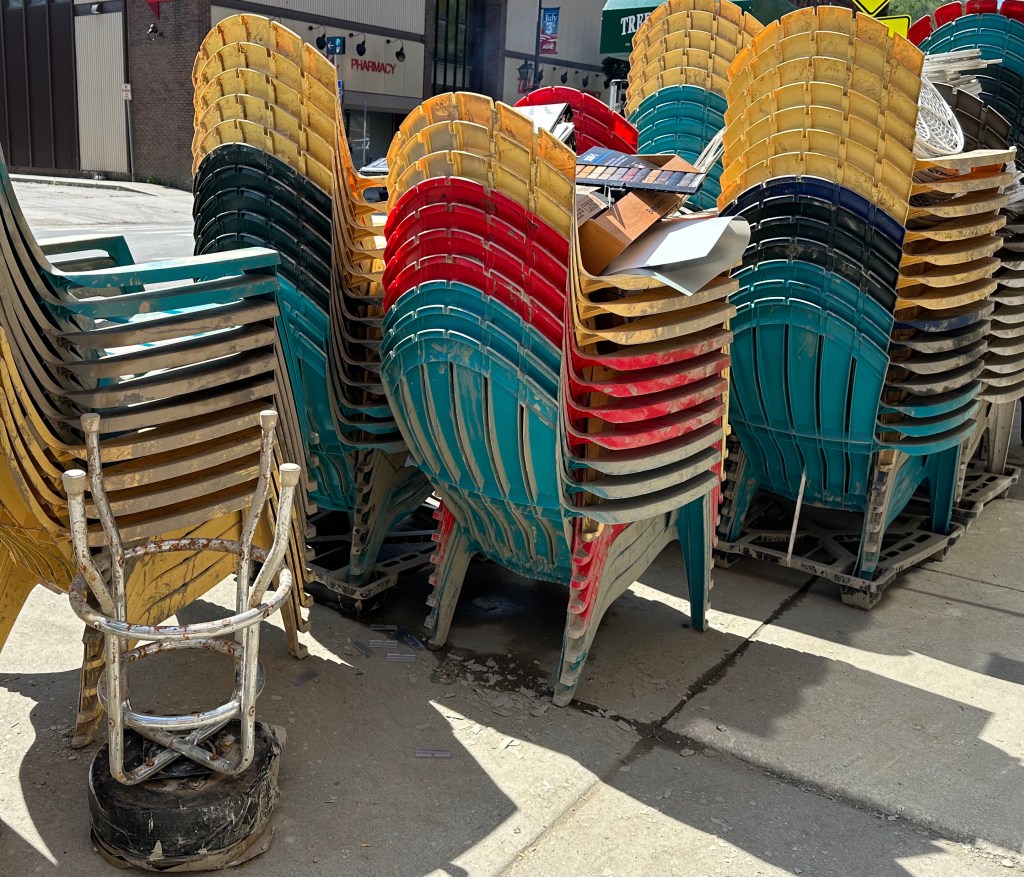

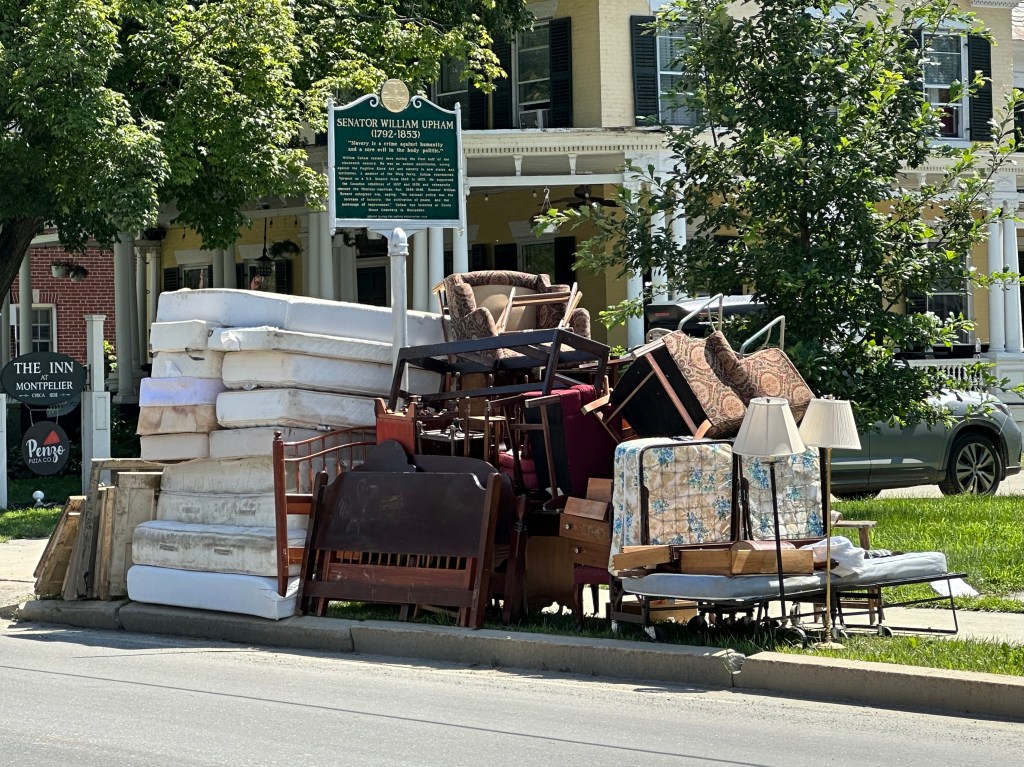
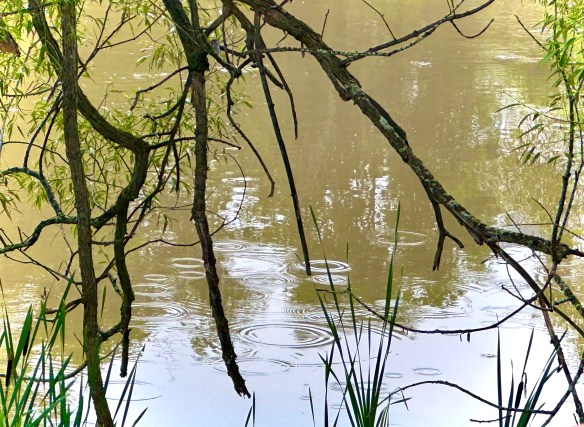
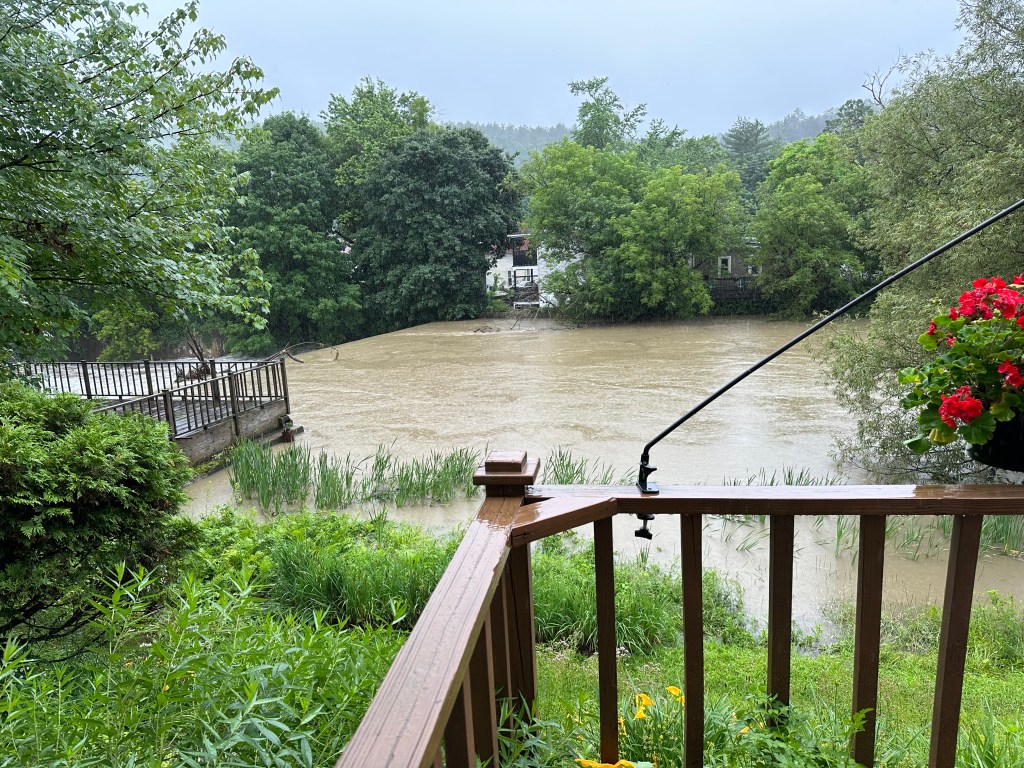
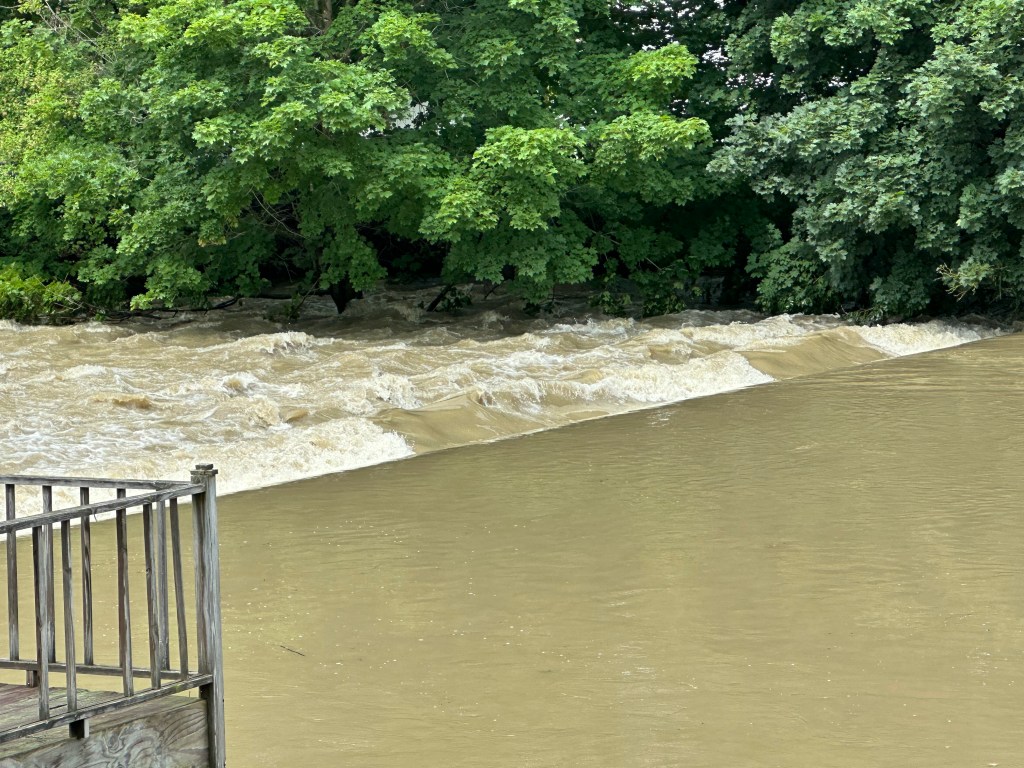
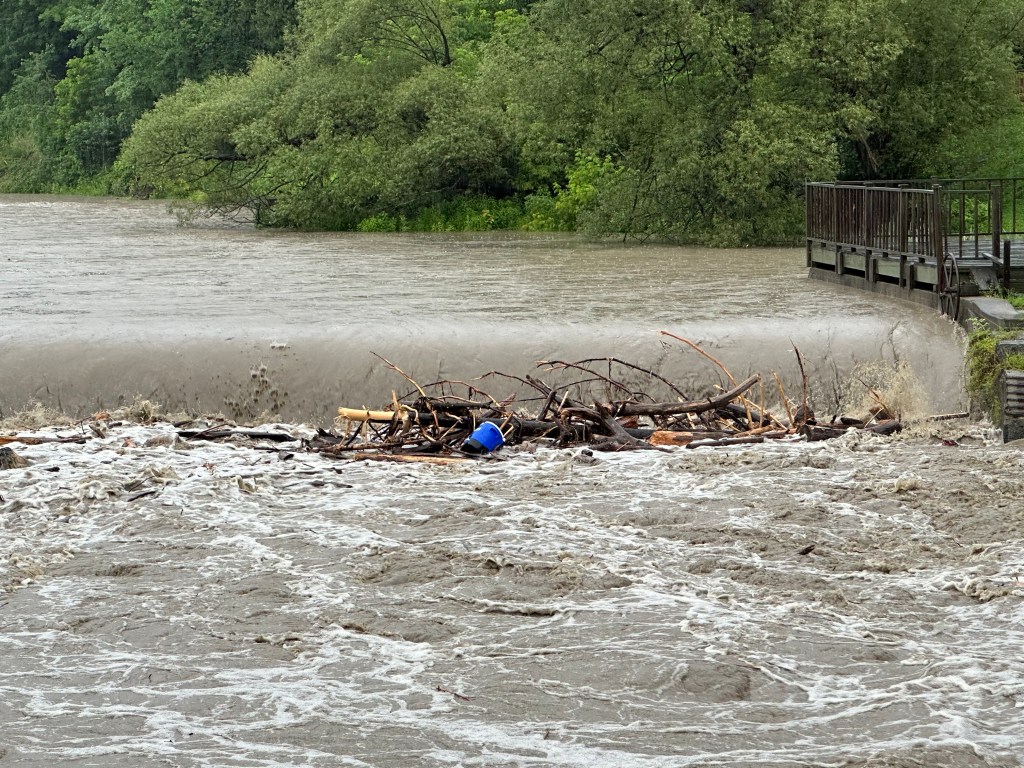
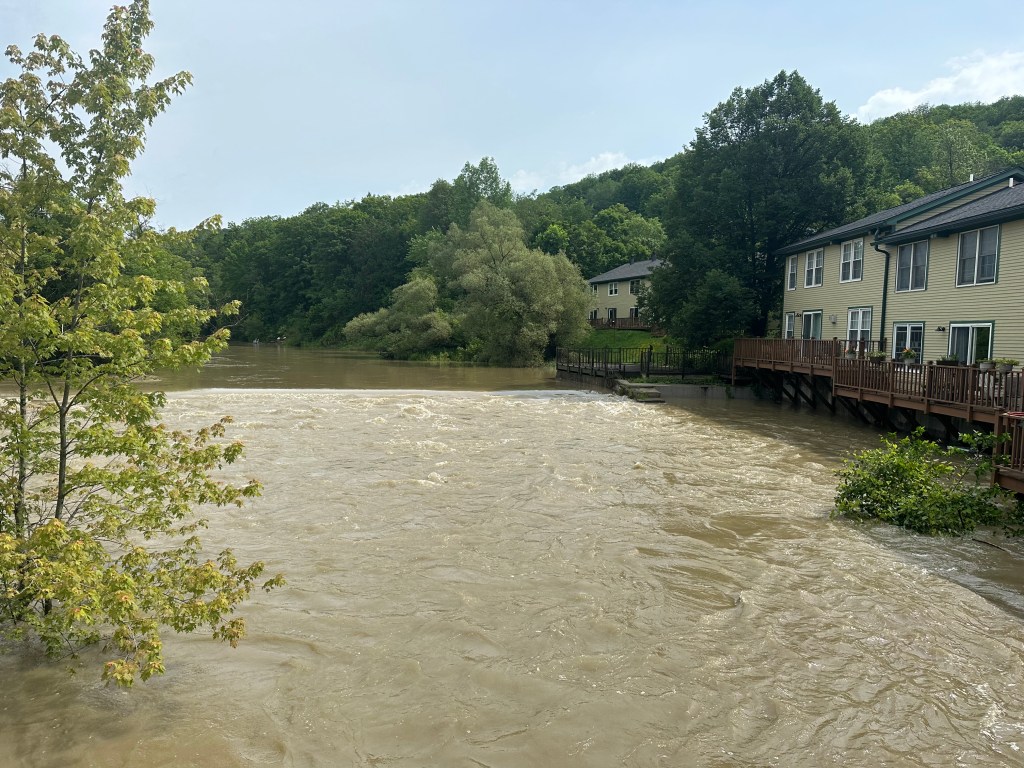
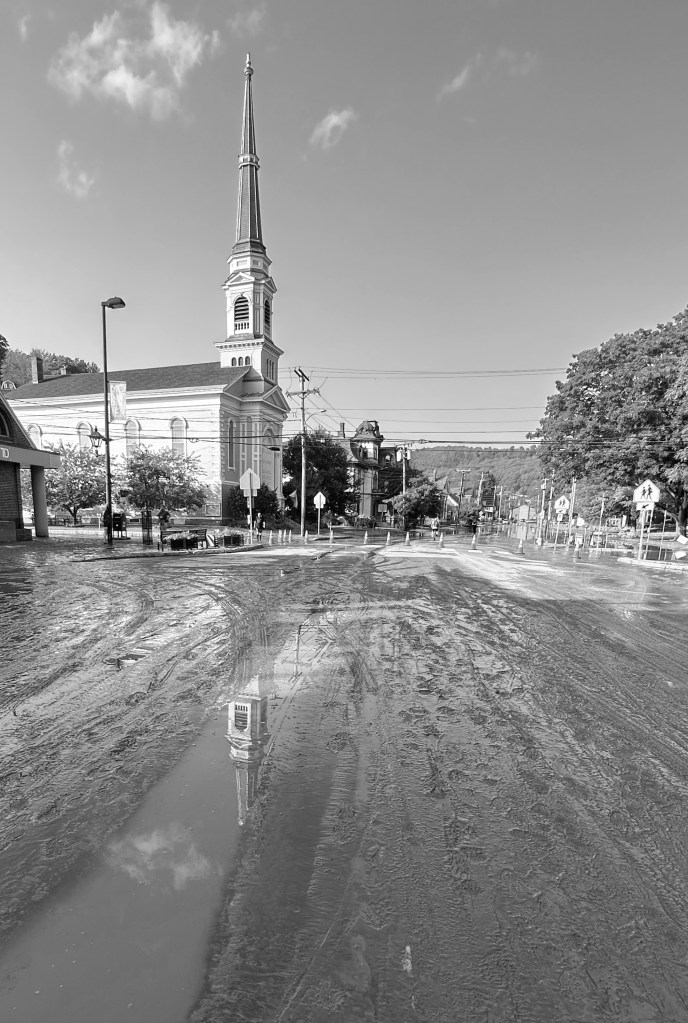
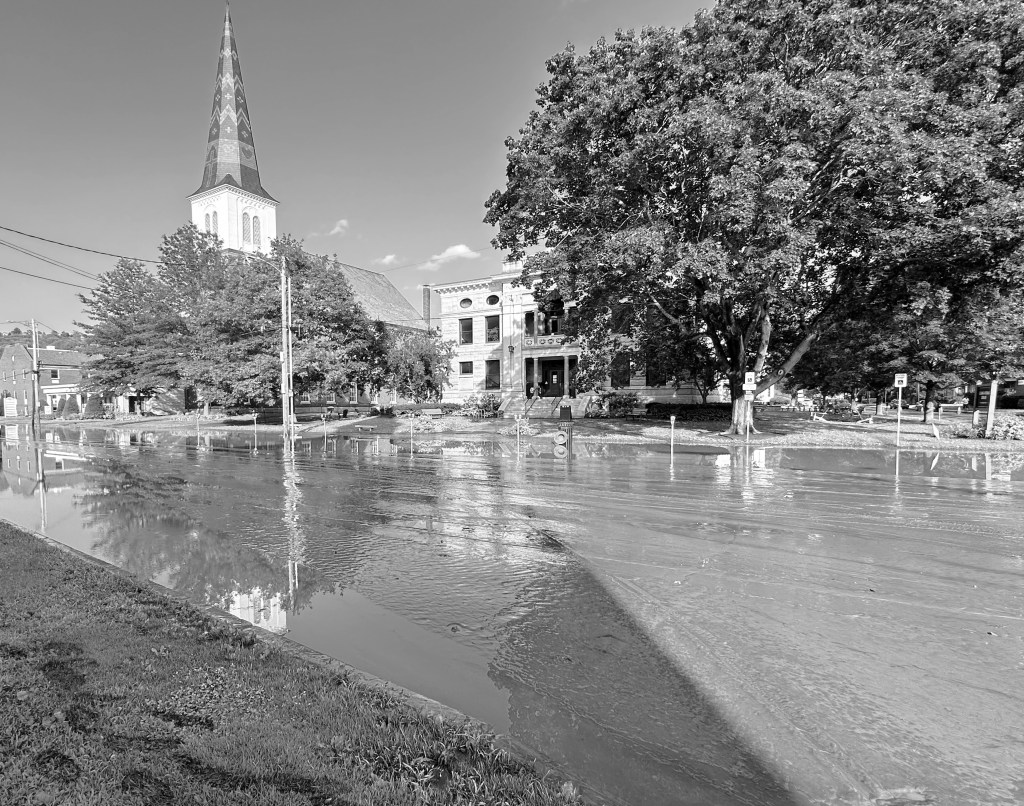
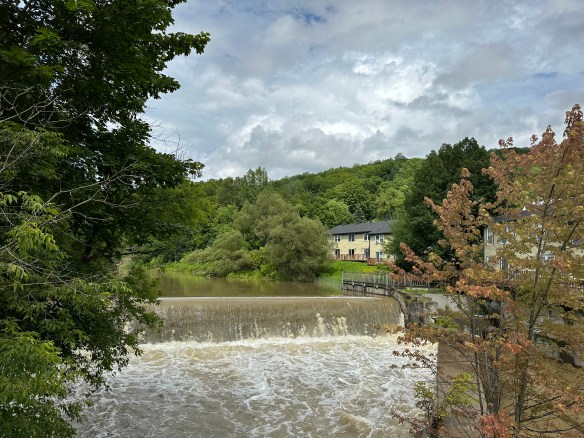
A welcome summer rain quenched the thirsty fields until the farmers said enough. Those living beside the river turned their rain-spattered faces toward the sky, imploring the gods of water to stop emptying their buckets upon the earth. The rain came and came and came. The rivers began to swell, and still, Mother Nature ignored the pleas. Within hours, dirty, brown water was once again filling basements, streets, houses, and businesses in Montpelier and surrounding towns, just as it had in 1927, 1992, and 2011.
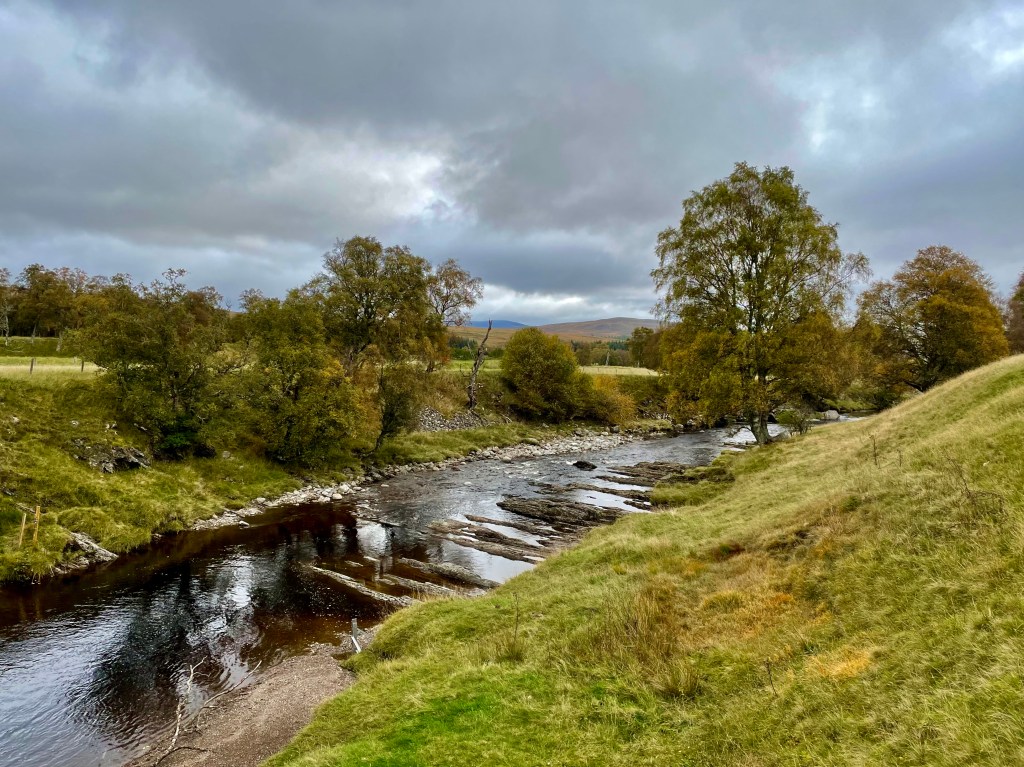
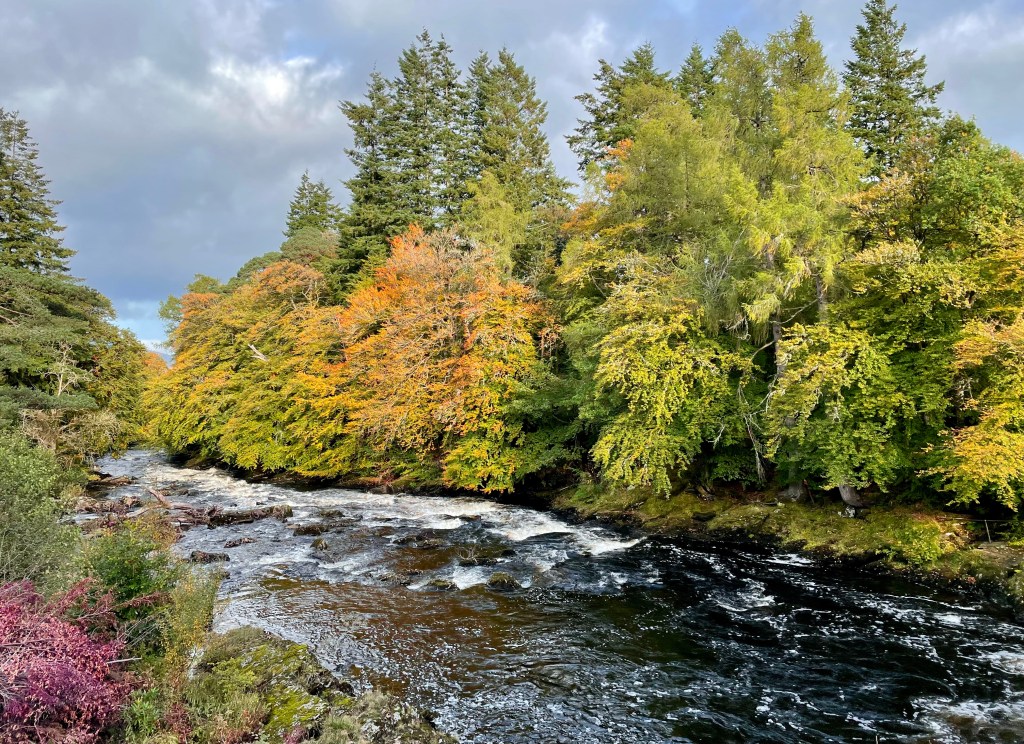
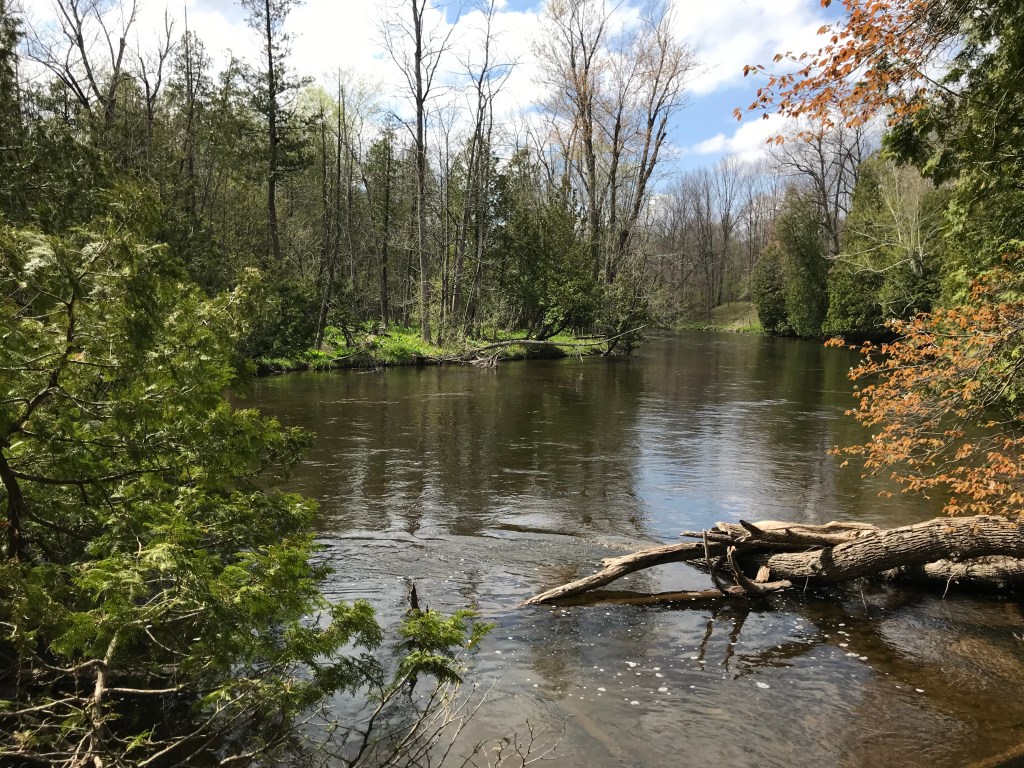
The river is a two-face friend…unpredictable and complicated,… a friend who can’t decide whether to build up or tear down. The first settlements in Vermont were usually in the valleys and along the rivers. Rivers were a source of life-giving water; they provided routes for transportation and could be tamed and harnessed for power. Those same rivers…that same power…could also destroy all that stood in its path. A living organism that could leap its confines, change its course, and claim new territory on one day and then, with regret and contrition, slink back silently to the peaceful embrace of its banks the next.
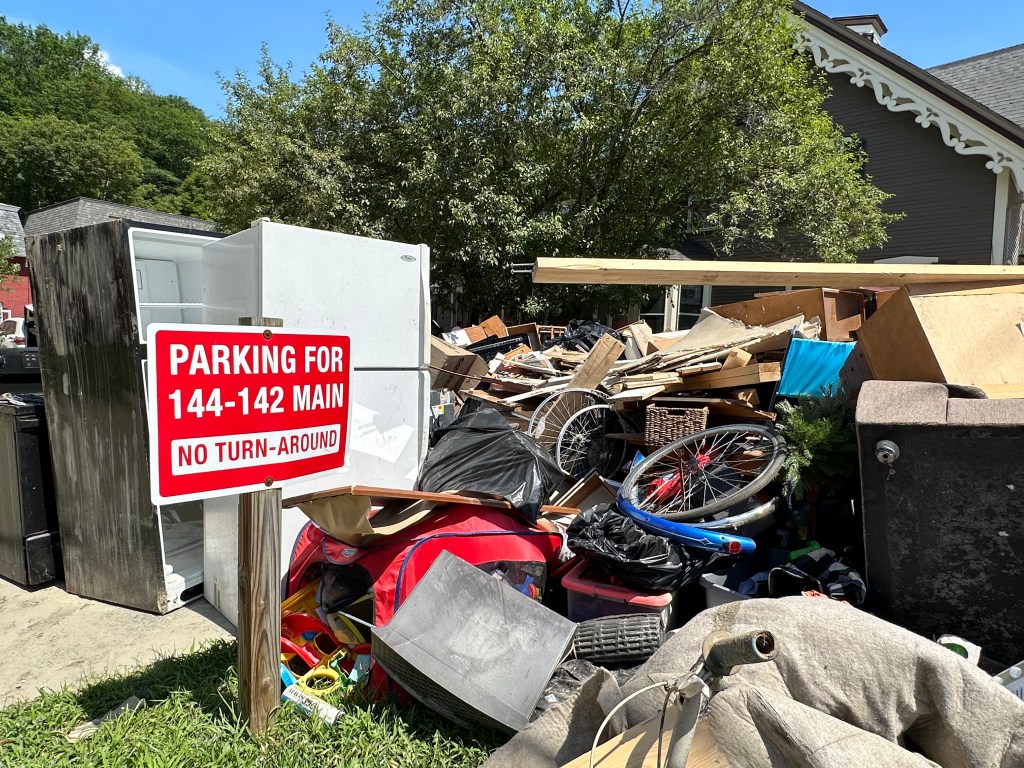
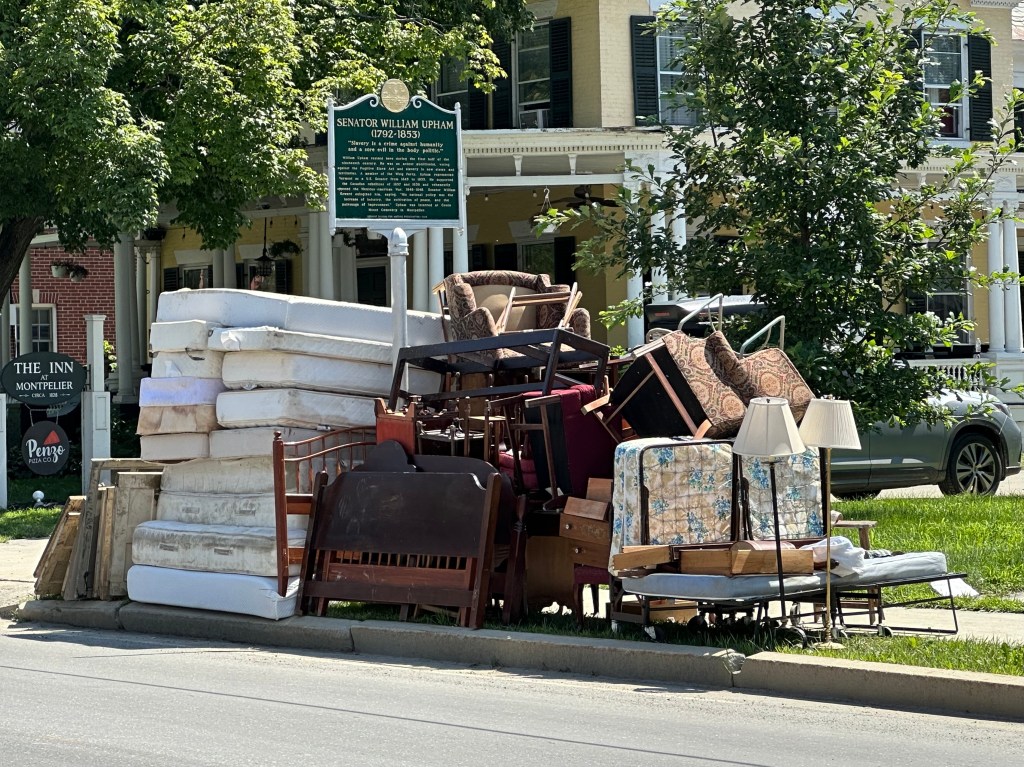
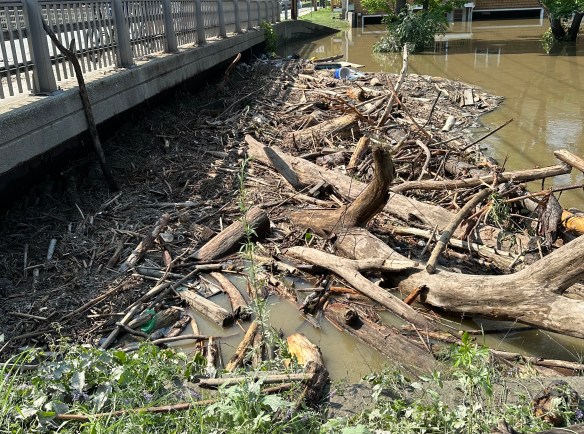
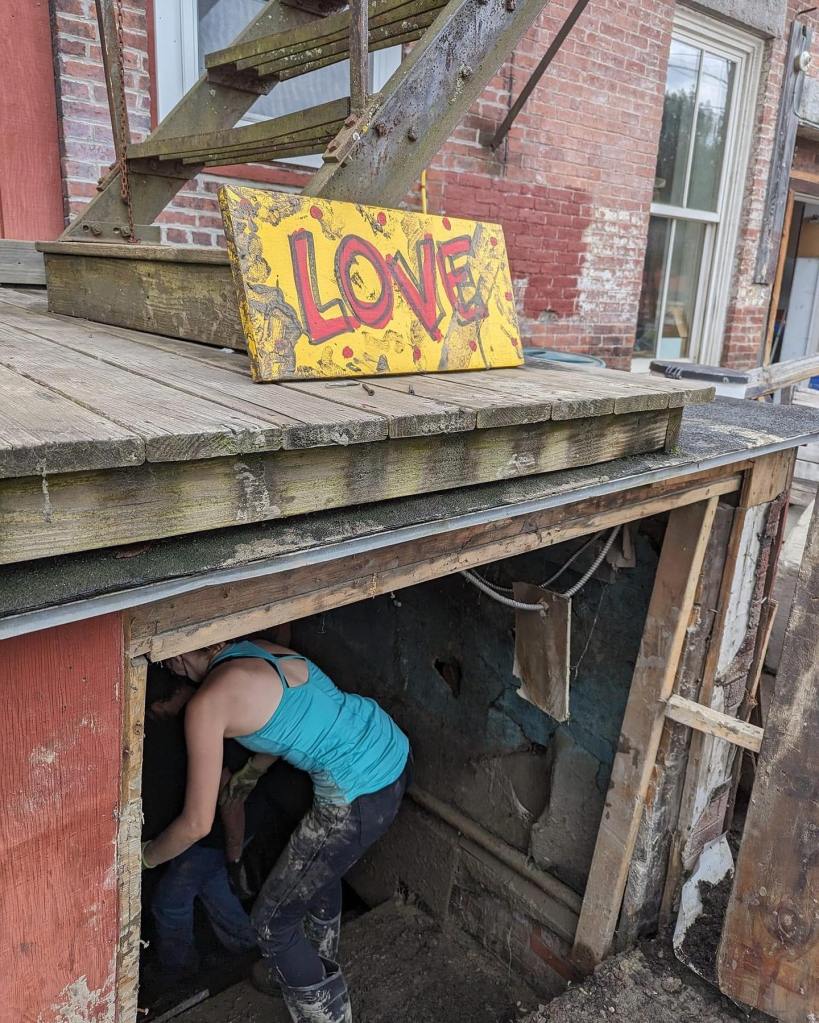
The water…once the joy of children, kayakers, and fishermen…became a swirl of silt, sewage, and unnamed chemicals creating the perfect breeding ground for mold. To prevent the spread of this fungus, homeowners and businesses began to remove everything that had been touched and contaminated by the flood waters. There was a rush to simply…Get. It. Out. Mold grows well on paper products, cardboard, ceiling tiles, and wood products. It can also grow in dust, paint, wallpaper, insulation, drywall, carpet, fabric, and upholstery. For the protection of all, it had to be extracted as soon as possible. The piles and piles of debris began to grow as bucket brigades of strangers passed foul wreckage from hand to hand, emptying stores, churches, homes, government buildings, and even the library.
As I walked down familiar streets within a few blocks of my home, I was overcome by the loss I witnessed. Seeing the remnants of lives unceremoniously discarded on sidewalks and in roadways produced a reaction within me like none I had experienced before…a combination of sickening despair and profound sadness and compassion. The mass of refuse, garbage, and trash continued to grow into stacks of nearly incomprehensible size. Like my stunned friends and neighbors, I was at once repulsed by the stacks and also drawn to look upon them. I resisted the impulse to take photos of the destruction. It seemed too invasive…too intimate…as though I was observing grief personified.
“Anyone who has lost something they thought was theirs forever finally comes to realize that nothing really belongs to them.”
Paulo Coelho
Shortly after the flood, I realized that my favorite flannel shirt, my down vest, and a pin I always wear on the vest were missing. The last time I saw this trio was several weeks ago. I searched my tiny condo. There are few places I could have absentmindedly stashed them after all. I’ve moved everything in the closet, looked under furniture, and even checked recently emptied suitcases. I’ve tried to backtrack by looking at pictures from the previous few weeks. “Yes, I was wearing them in this photo. That means I had them in this place.” Phone calls to the lost and found were unsuccessful. I know where they’re not, but I don’t know where they are. At some point, I know that I have to admit that what I lost…someone else has found. My disappointment has become another’s delight. I know all these things on a conscience level… I’ve even replaced the vest…but…I keep looking for what I know was lost. Eventually, I’ll accept the loss, but at present, I am still in the denial stage of grief.
What is it about us human beings that we can’t let go of lost things?
Leslie Marmon Silko
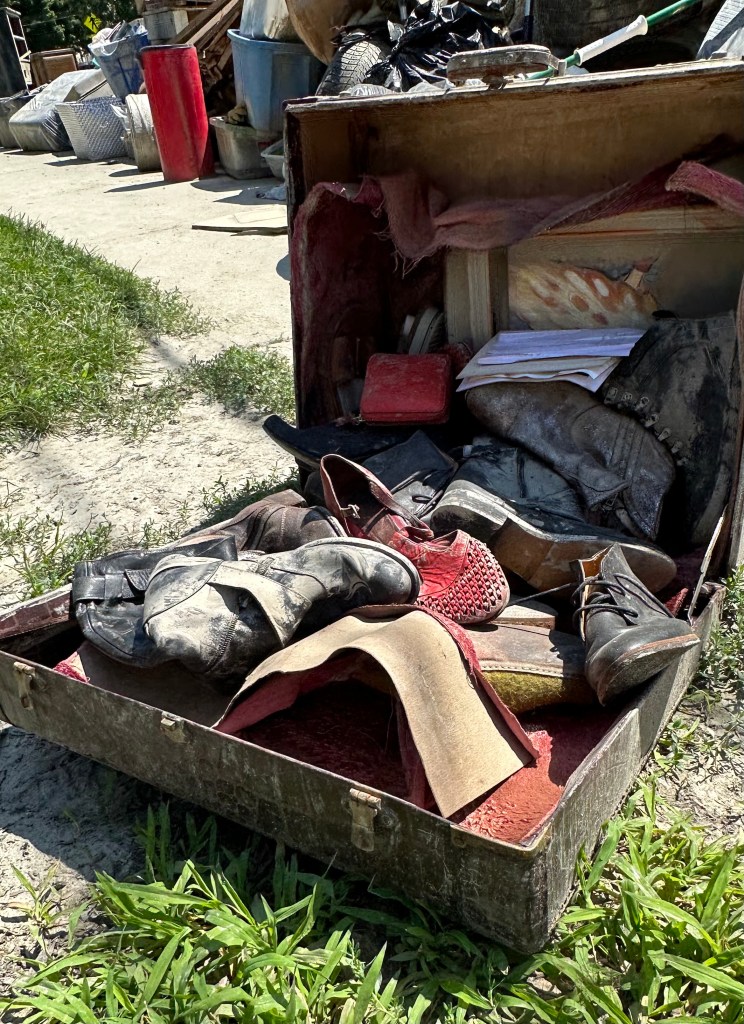
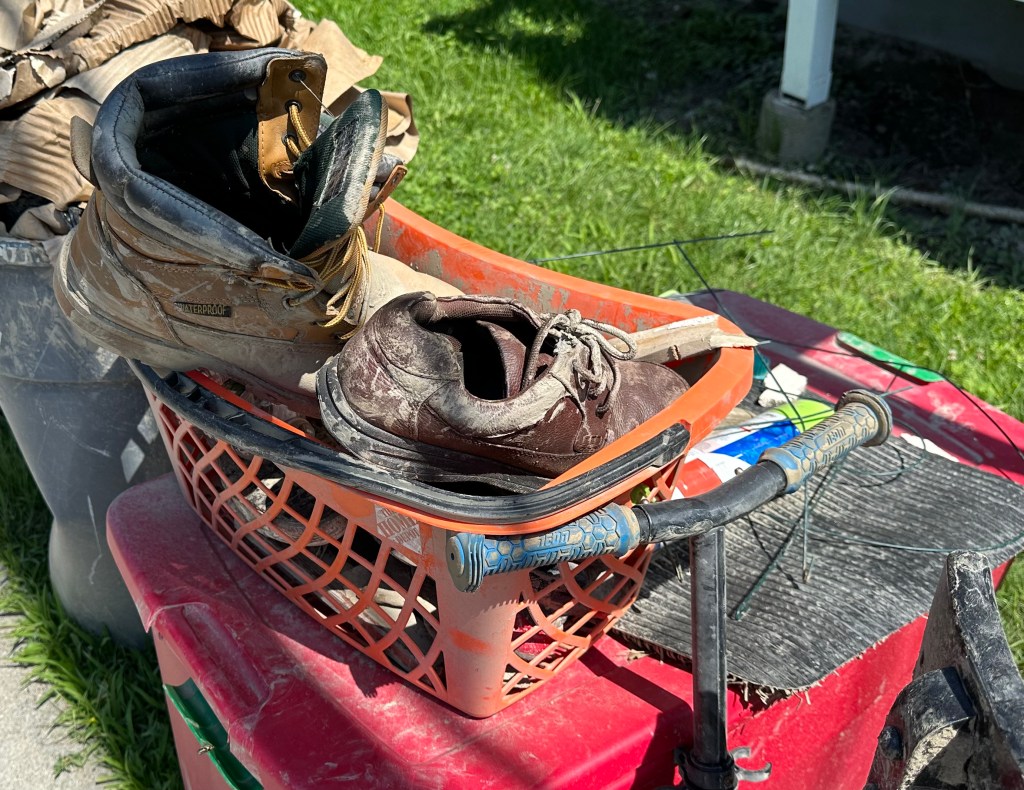
My missing flannel shirt…LL Bean…the most divine color…my vest, and the irreplaceable pin,…important to me but pretty minor in the overall scheme of things…prompted me to reconsider those huge stacks of debris, rubble, and discarded fragments of lives forever changed by the deluge and my reluctance to photograph it. While the pain and loss represented by the enormous, ever-growing mounds was almost palpable, I began to realize that rather than turn away from the suffering, I had to look. I needed to bear witness. It was difficult, but I was compelled to look closely…with compassion and empathy…and record the heartbreak of what had been surrendered to those massive piles.
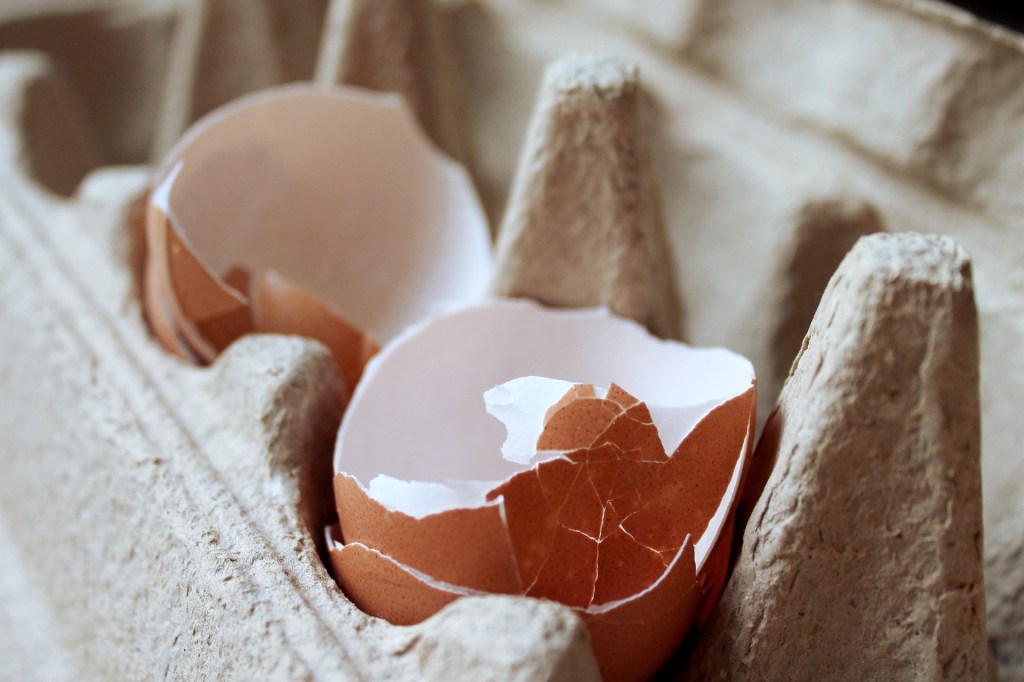
“So, one morning, after delivering muffins for the workers and volunteers…a job I could do…I walked the streets in the center of our small city with my camera in hand. As I began to crop with my feet and focus on small areas of the larger chaos, I realized that, as always, beauty surrounds us. I was capturing unplanned still lives through the lens of my camera. The photos require the observer to really look at the images to unlock and appreciate the beauty that was hidden in the destruction. Blogger, Jordan Lingle has said that “Finding beauty in chaos starts with realizing that there is beauty in the places of our lives that are often confusing, hard, difficult, and challenging. It doesn’t come easy or natural. You will want to hide the chaos. But if we want to find beauty in chaos, we have to start looking.”
“Art is not always about pretty things. It’s about who we are, what happened to us, and how our lives are affected.”
elizabeth Broun
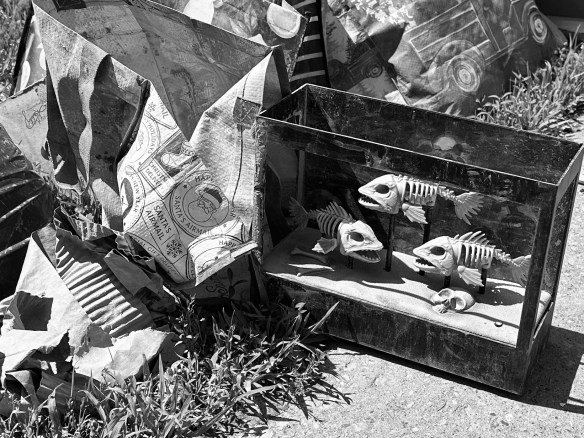

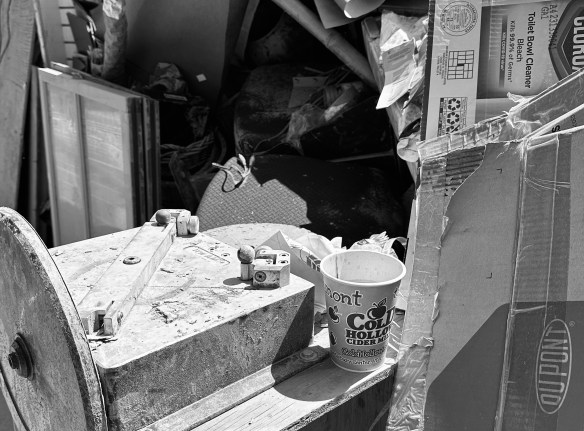
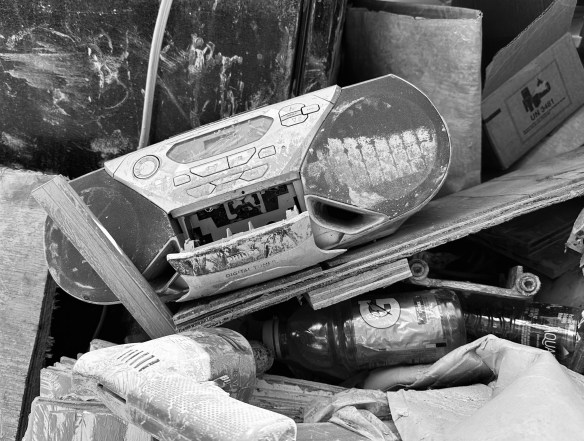
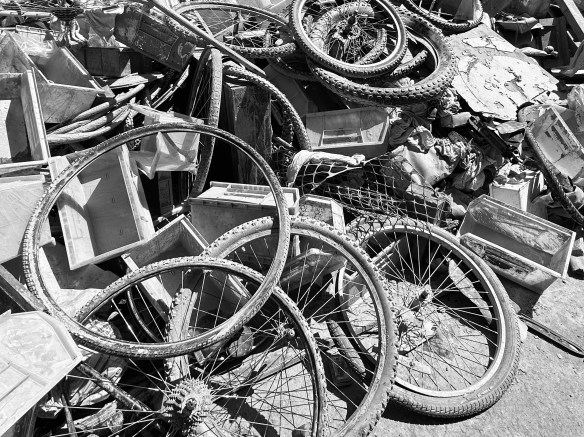
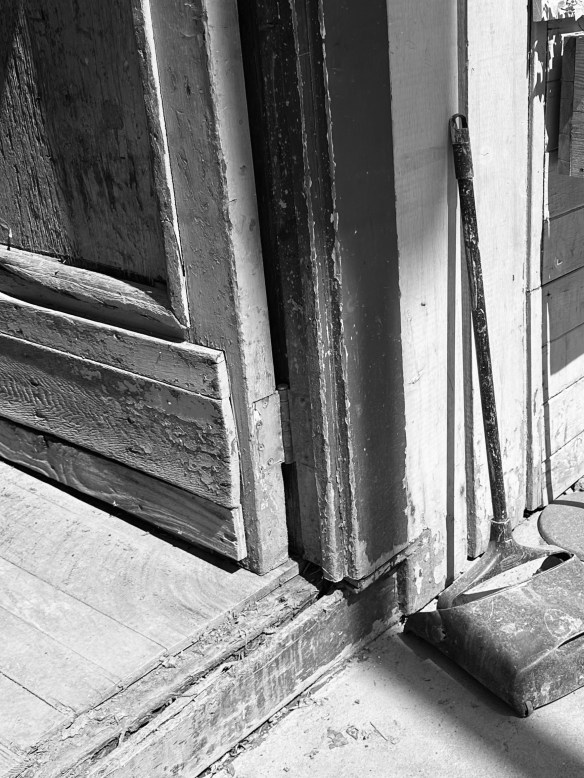
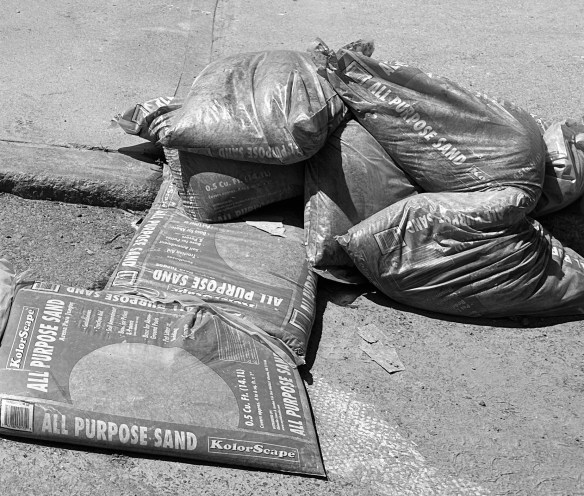
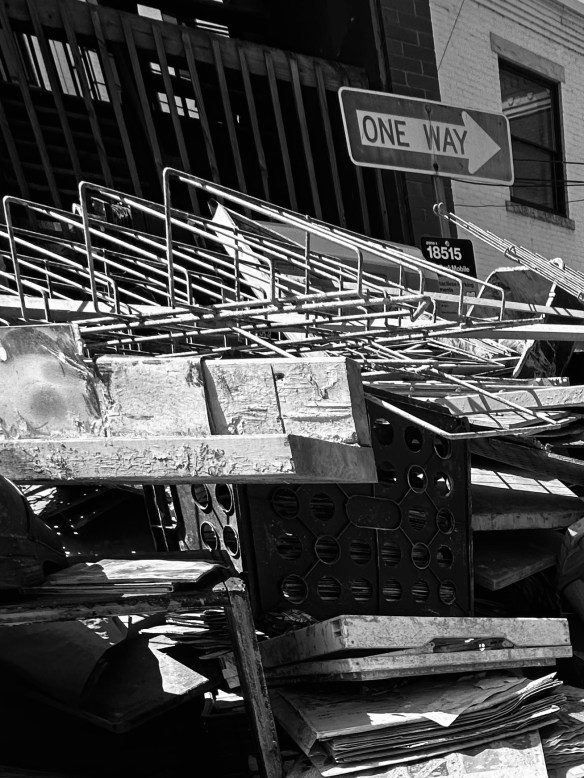
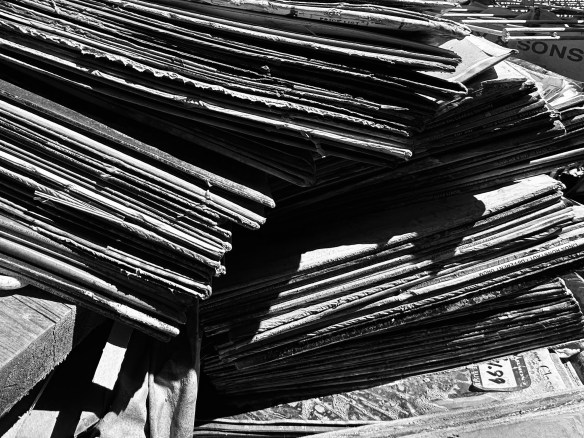
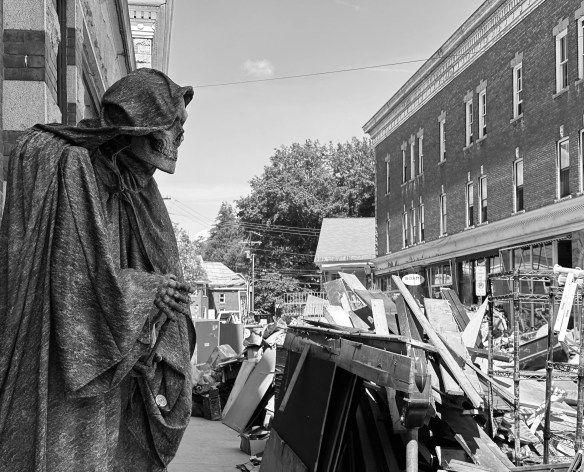
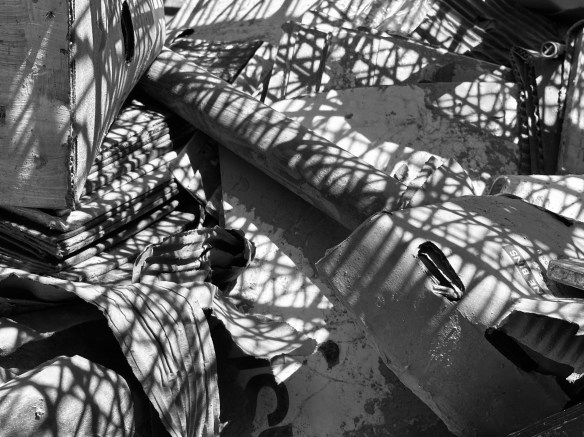

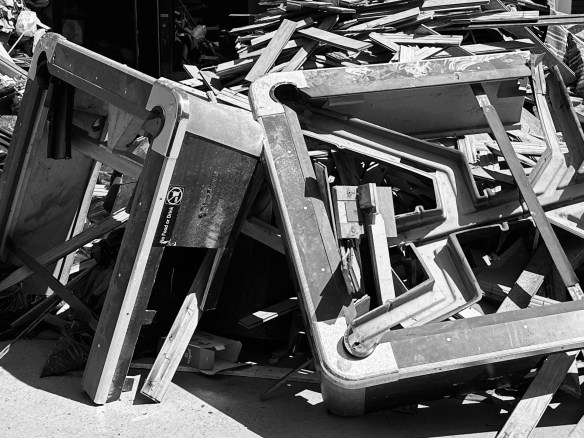
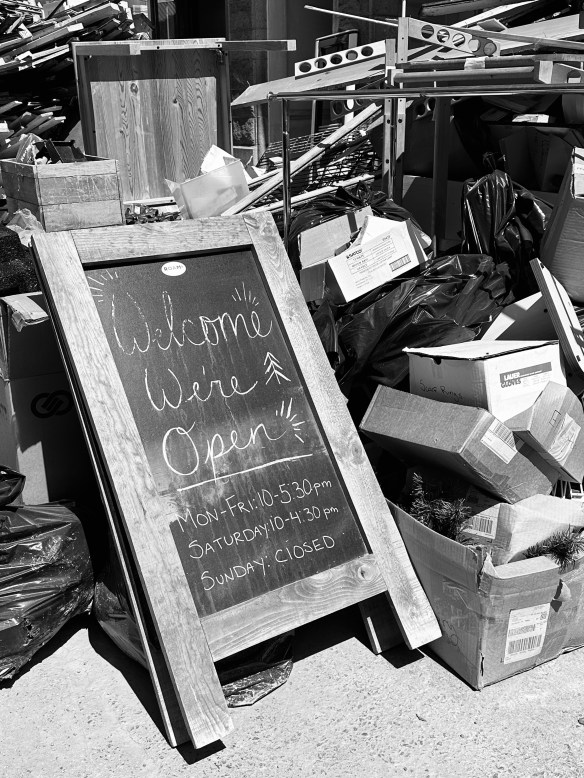

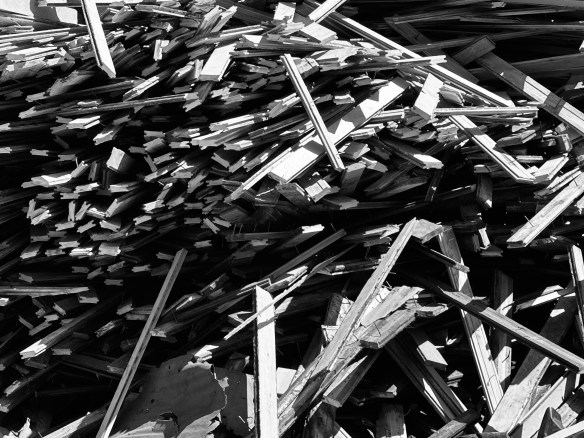
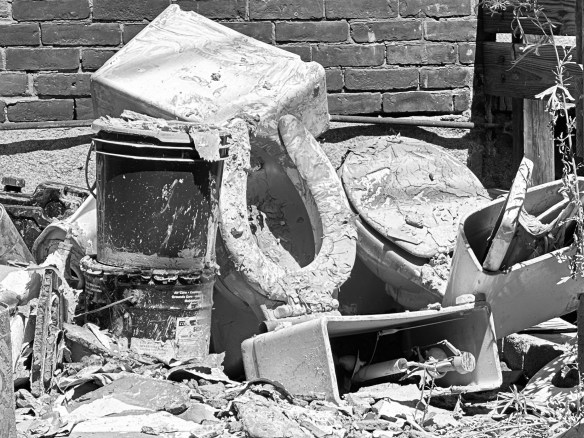
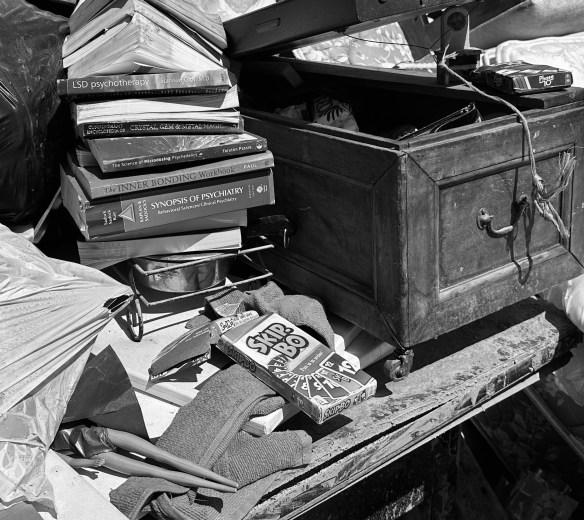
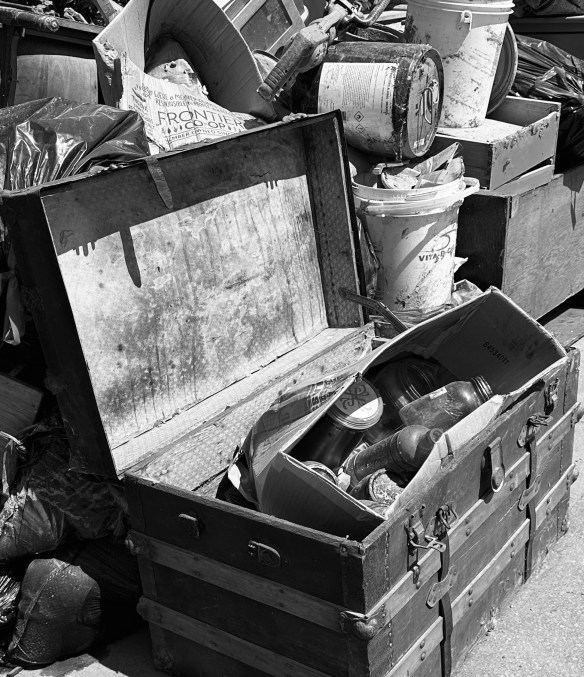
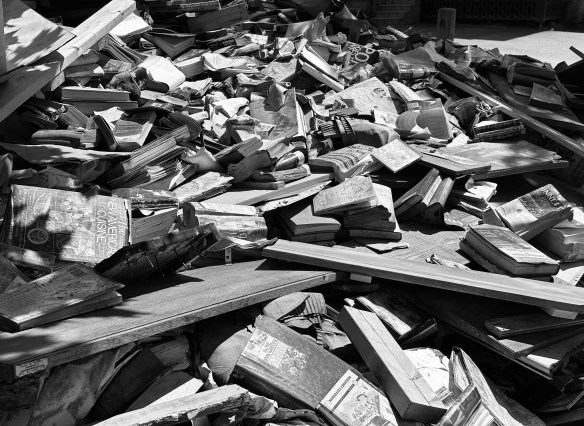
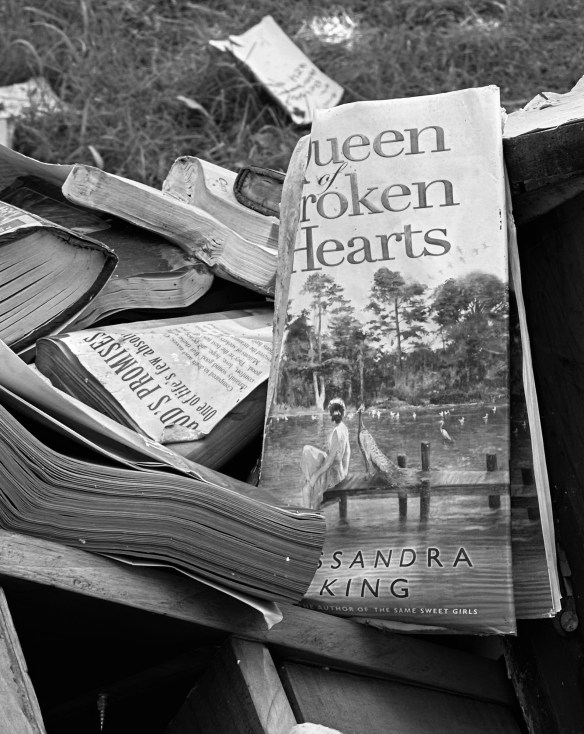
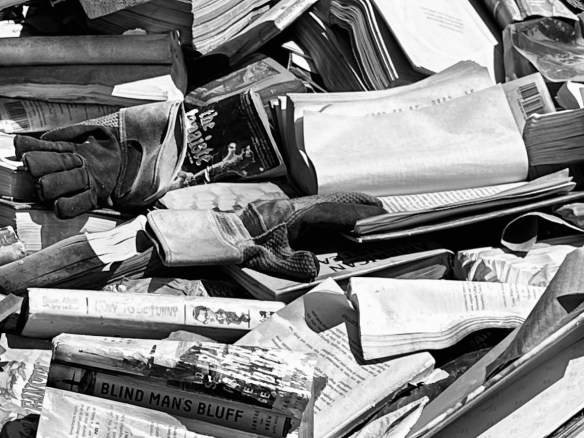
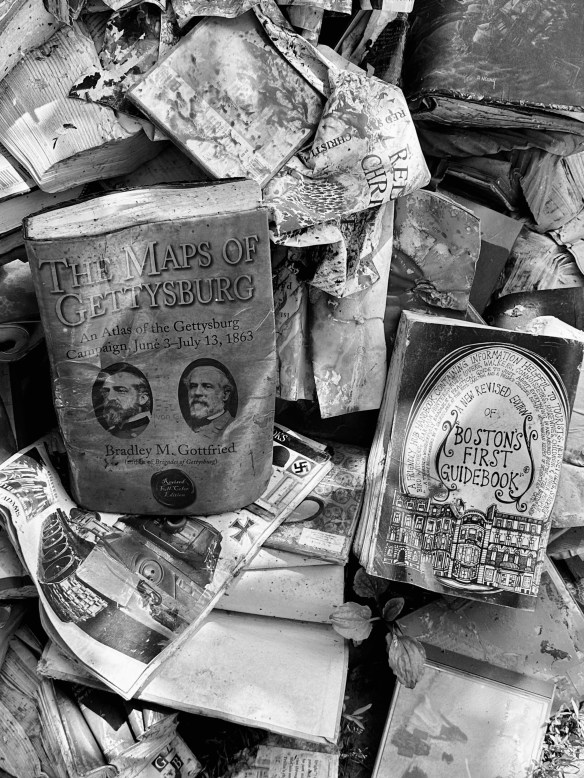
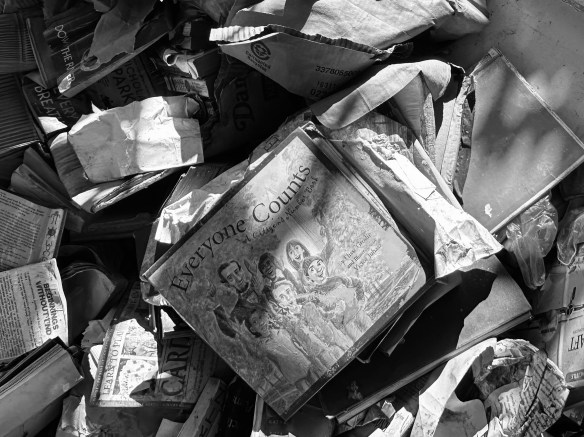
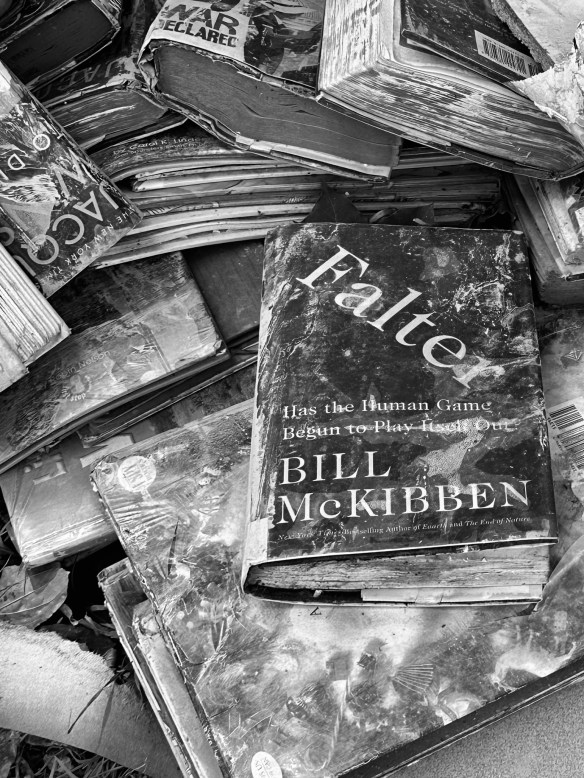
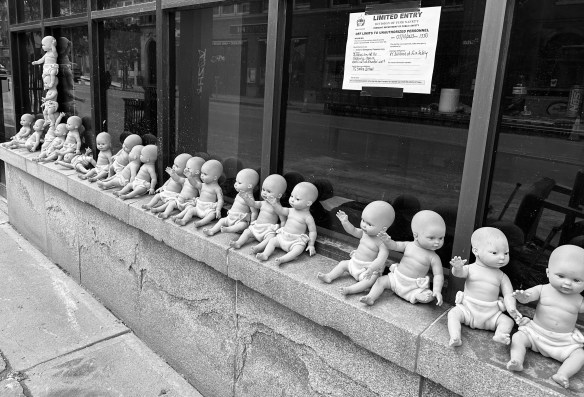
The mountains of debris are slowly being collected and carted away. The sidewalks on Main Street are nearly as empty as the stores that line them.
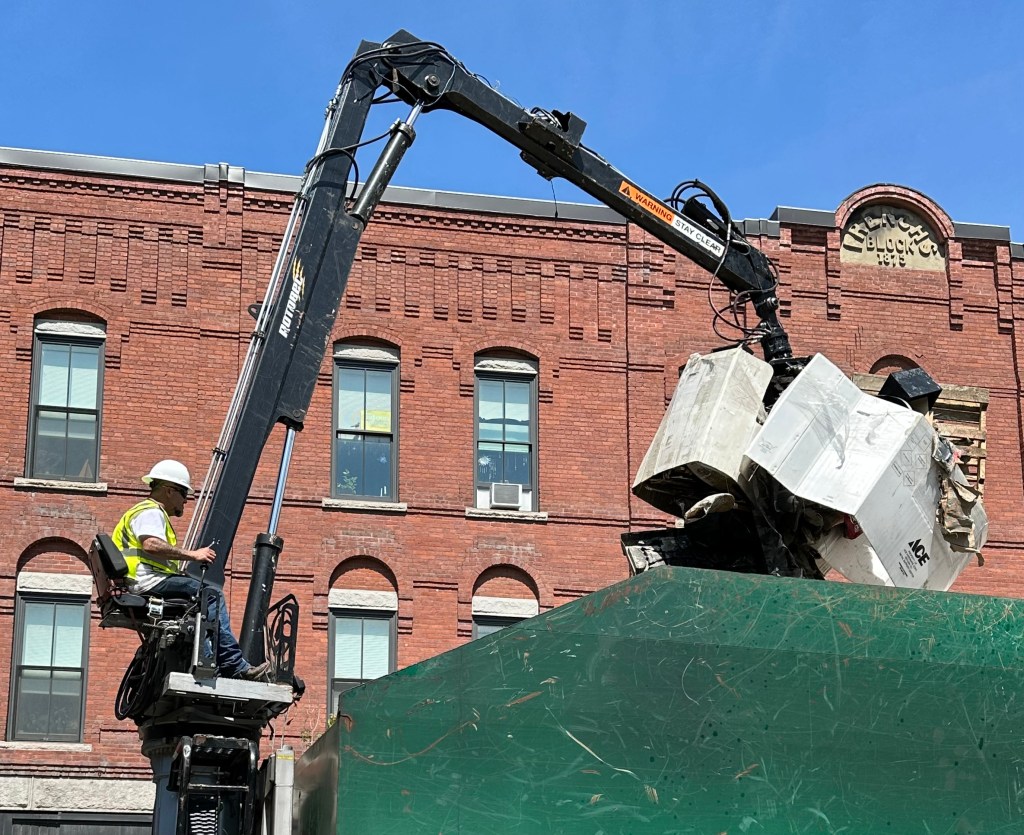
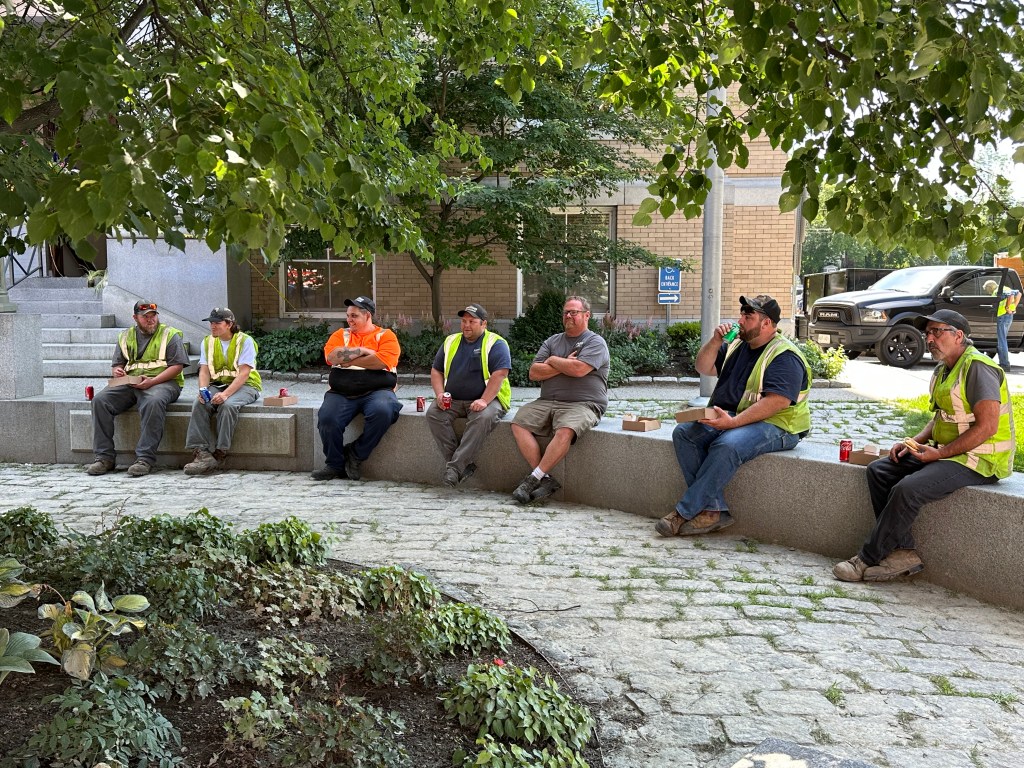
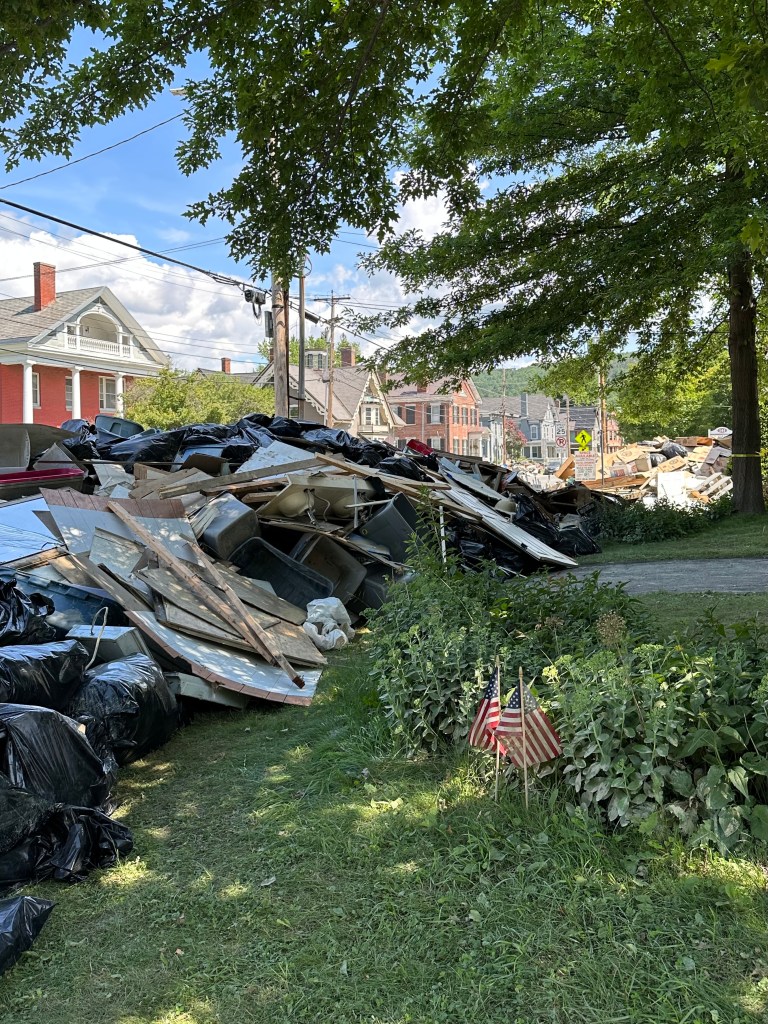
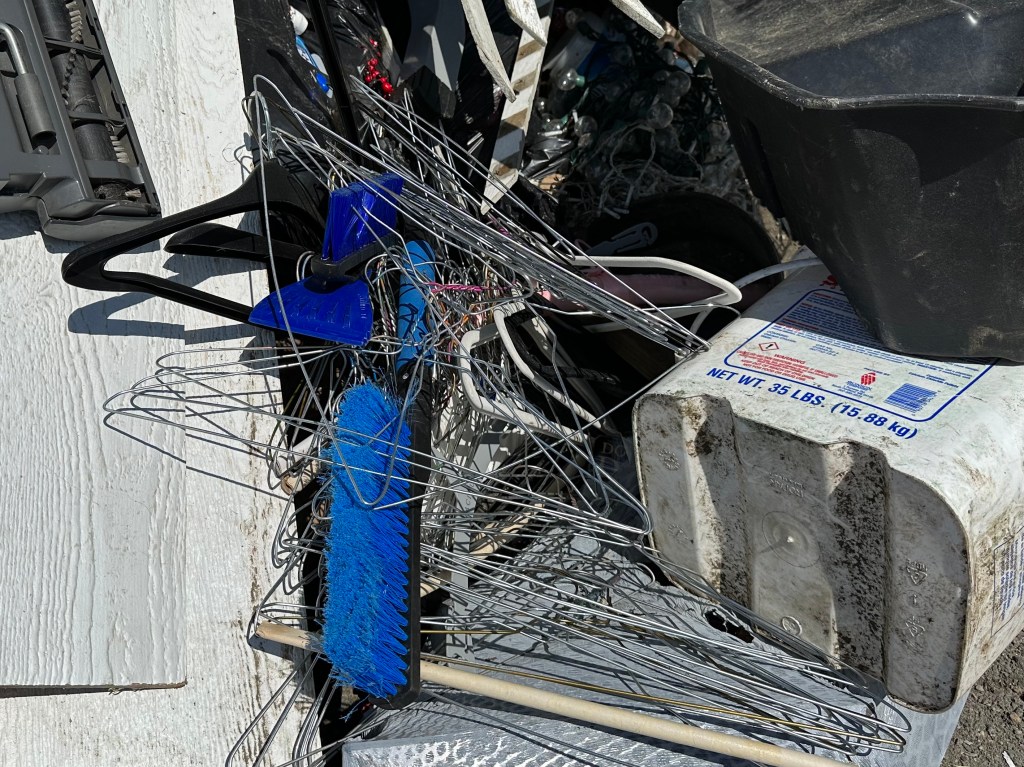
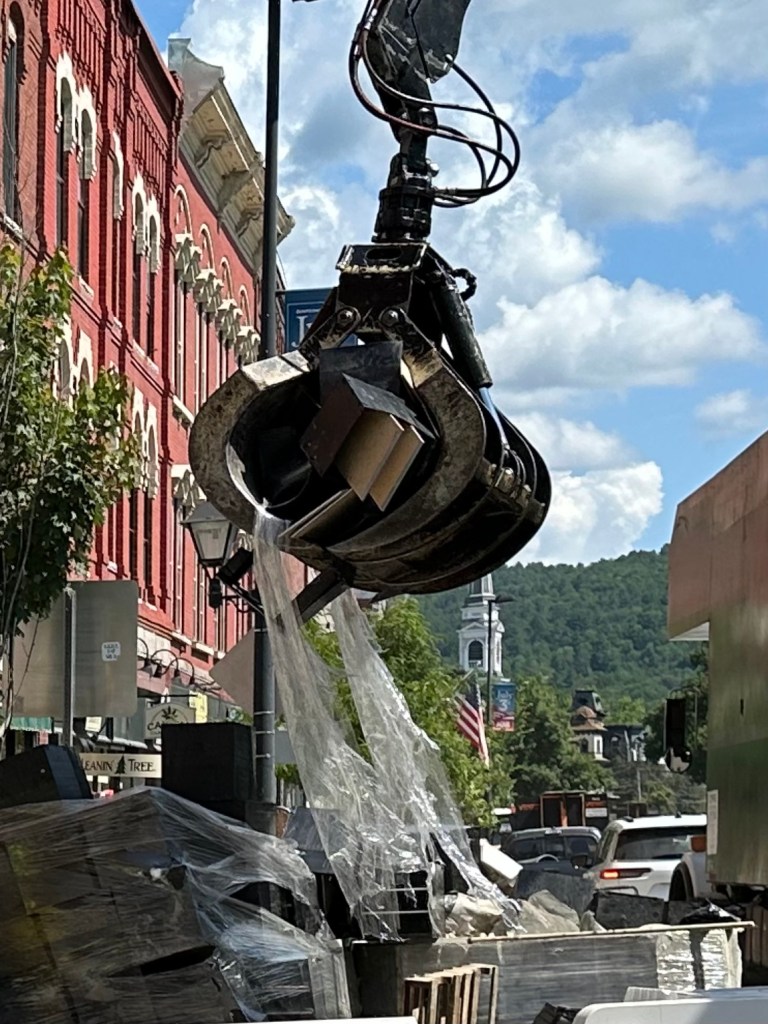
The pain of loss may remain, but given time, the beauty found in chaos will once again be replaced by the beauty found in order, predictability, and familiarity. I’ll keep my camera handy.
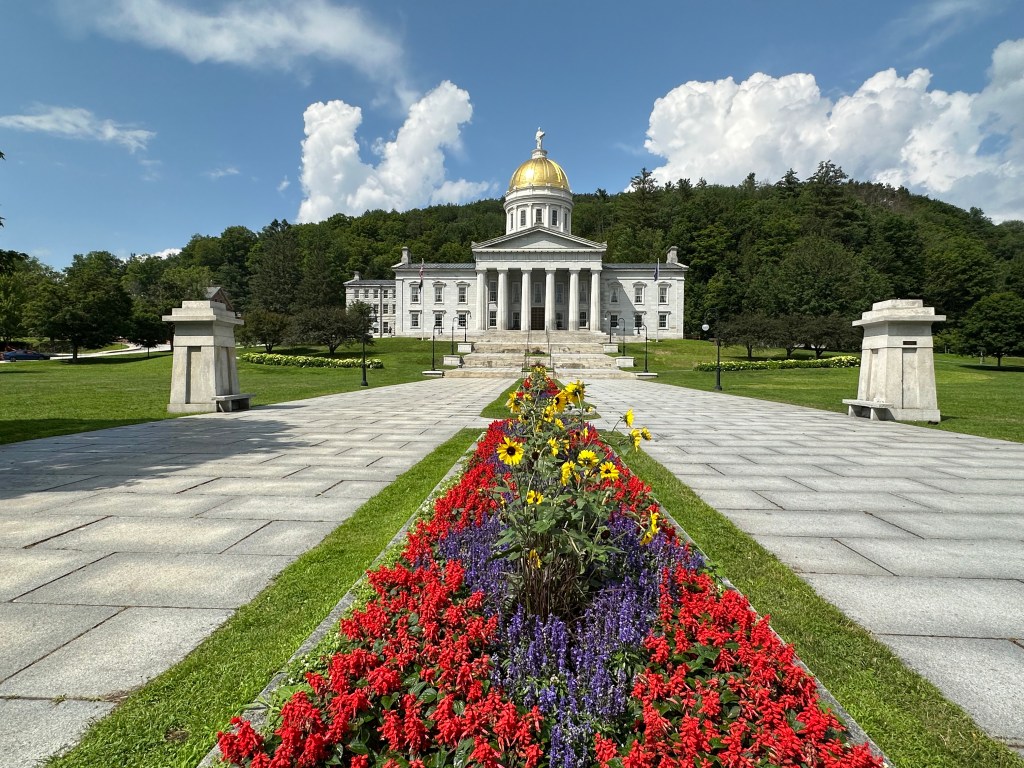
“Wabi Sabi is a philosophy of life that focuses on flaws but not to judge but to find and celebrate the positivity within them. This philosophy helps people see things in a simple way, accept its impermanent nature, from which life becomes easier and lighter.” (vmnhome.com)
On the morning I set out with my camera, I met a friend on State Street. “If you have a pulse, you’ve been affected by this flood,” she said. Each of us has our own personal story. This is just one of them. On that morning, I could see the beauty in the situation. However, I know that if I’d seen my favorite plaid shirt peaking out of one of those mountainous stacks, finding the beauty might have been impossible, and this might be a different story indeed.
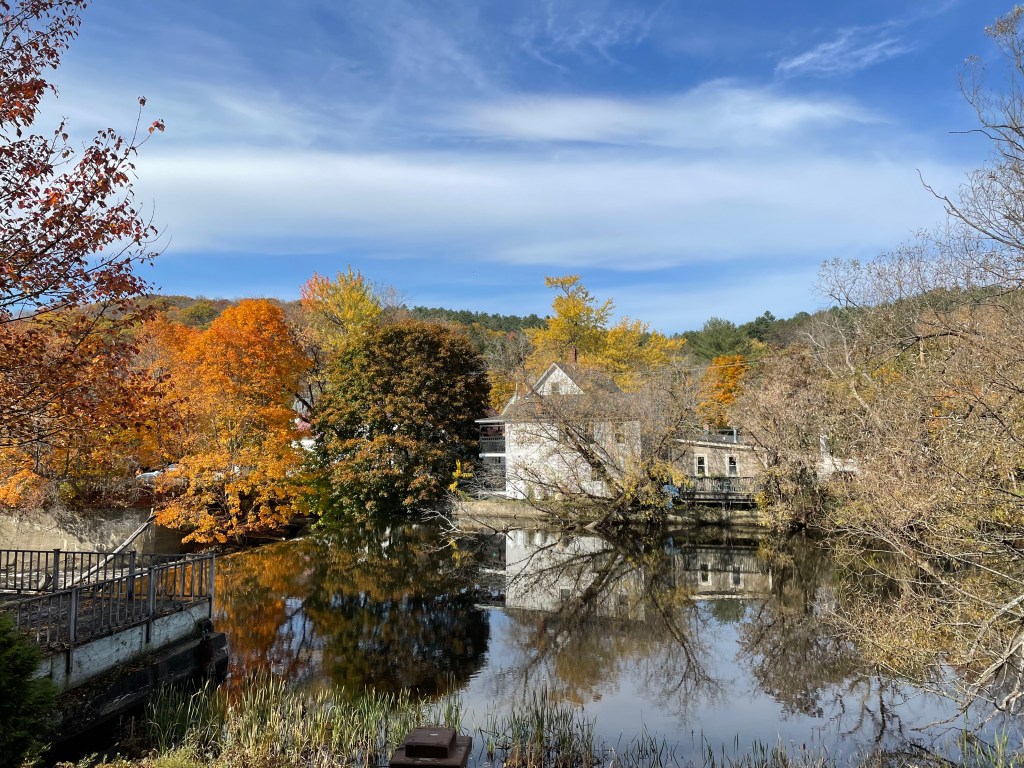







 One Wild and Precious Life