
The playground of the school I attended from First through Third grade was adjacent to a field of cows. The rusting wire fence separating the cows and the children had been erected, no doubt, to protect the children from wandering heifers, but it was just as probable that it was there to protect the cows from curious children. Most of the time, the cows and children simply ignored one another, but on occasion, when my friends were busy on the slide, swings, or monkey bars, I’d wander over and visit with the cows. Looking into their big brown eyes, I’d tell them about all the classroom activities and confide my deepest feelings, questions, and dreams as they lay quietly in the shade of the trees that lined the fence. They weren’t the best conversationalists but were very patient when I’d stretch my wee fingers through the grate to scratch their heads, and they were exceptional listeners.
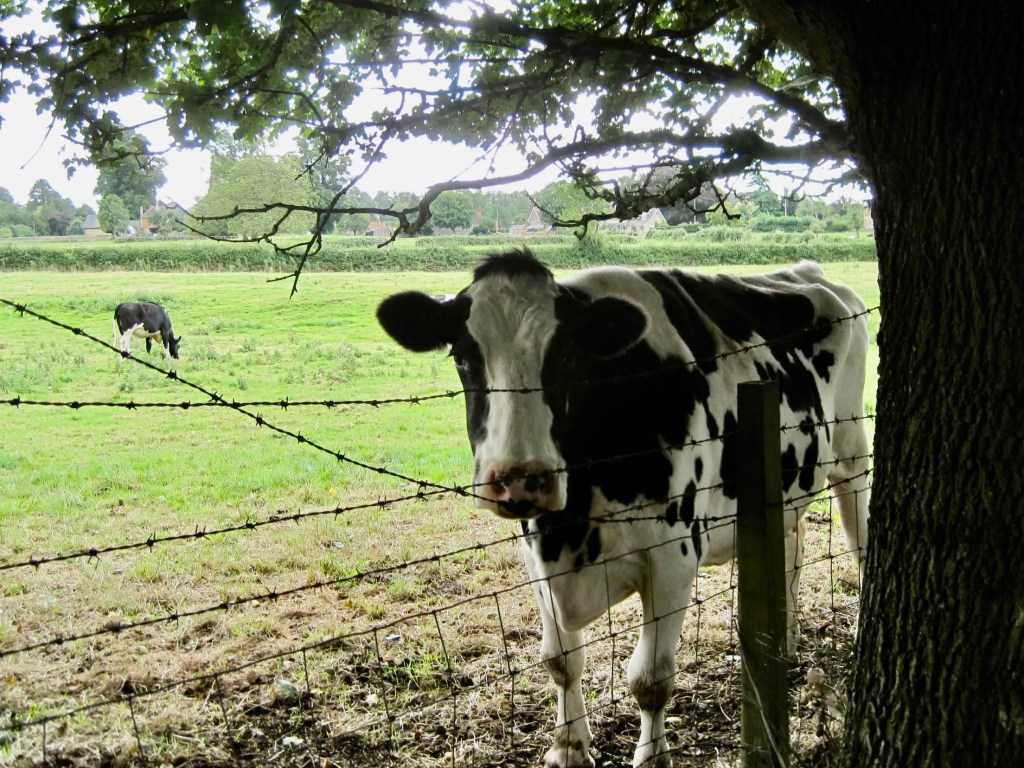
I have much in common with those bovine friends. I, too, like to sit quietly and ruminate on things. I enjoy chewing on conversations well after the original participants have moved on. I chomp, gnaw, and devour an idea entirely before swallowing, spitting it out, or wandering in search of fresh clover. Sometimes, I reach a satisfying conclusion, but just as often, my pondering takes me in an entirely new direction.
On November 5th, as the election results revealed the inevitable, I could feel myself sinking into a deep funk. Determined not to continue the downward slide into the bottomless pit of hopelessness and despair and also consciously aware that joy and beauty are a form of resistance, I sought ways to bring joy back into my life, to recognize the wonder and beauty that had already manifested there, and to enjoy the breathing space between November and the January inauguration.
It was only natural that I would find comfort and pleasure at the intersection of my two favorite hobbies…travel and photography. In this age of computers, the combination of travel memories and the digital photos that documented them was right there at arm’s length on my laptop. As I drove, sailed, and urban-hiked through past adventures, I smiled at the faces of family and friends, both old and new. I remembered the awe I experienced inside grand cathedrals, standing beneath spectacular mountains, or walking beside the boundless ocean. As I reminisced, I noticed that in addition to churches and the plethora of flower pictures…they are such patient subjects…I had unconsciously created a fair collection of images of windows and doors.
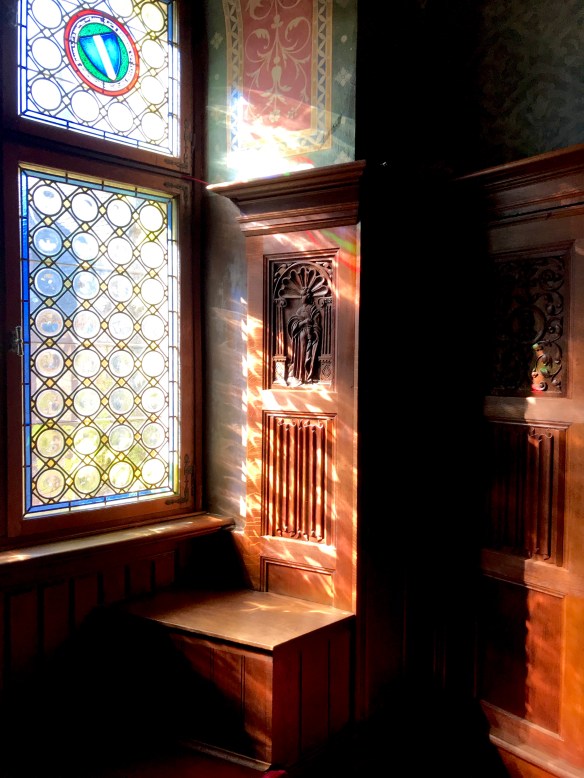
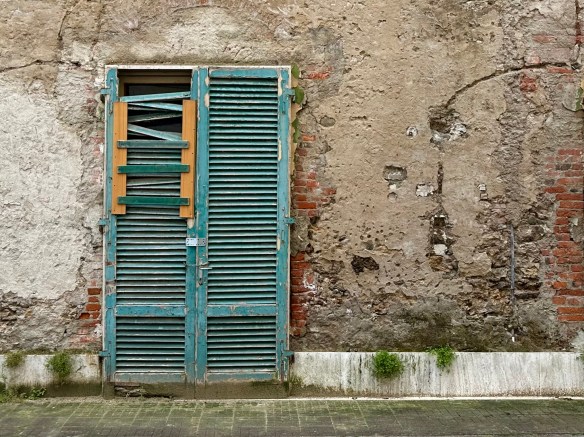
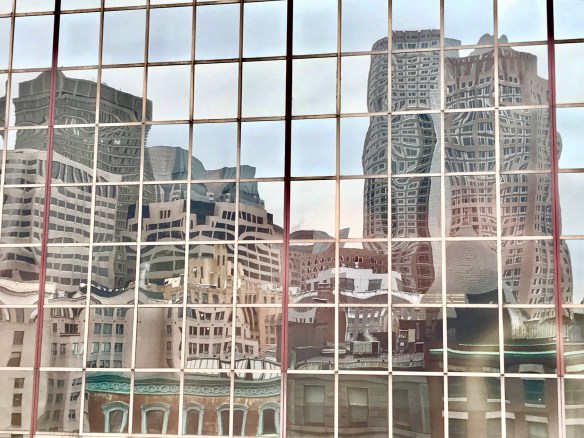
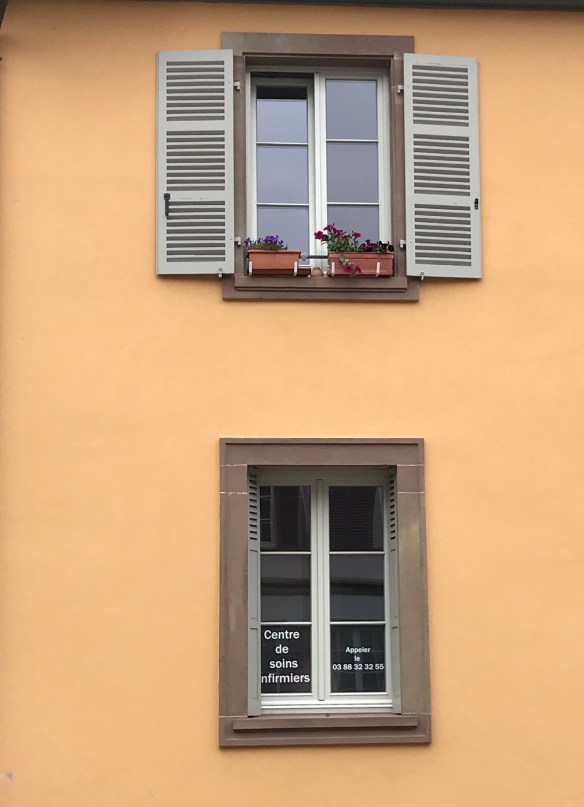
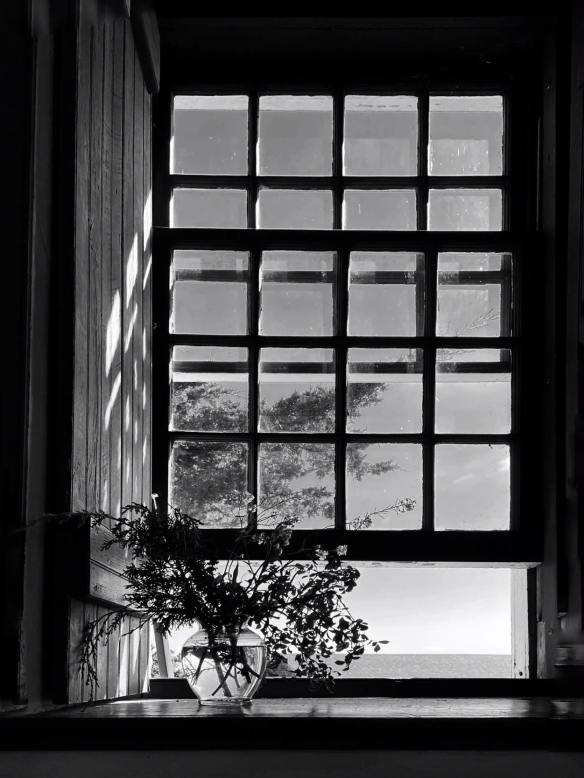
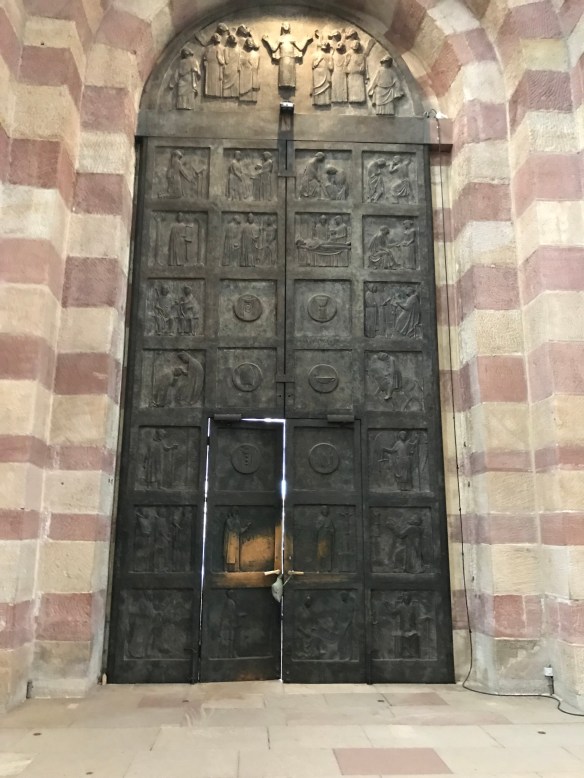
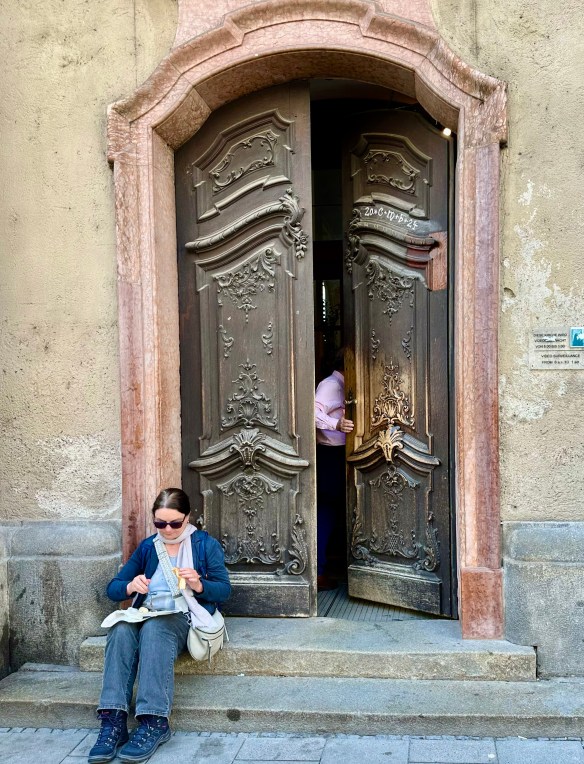

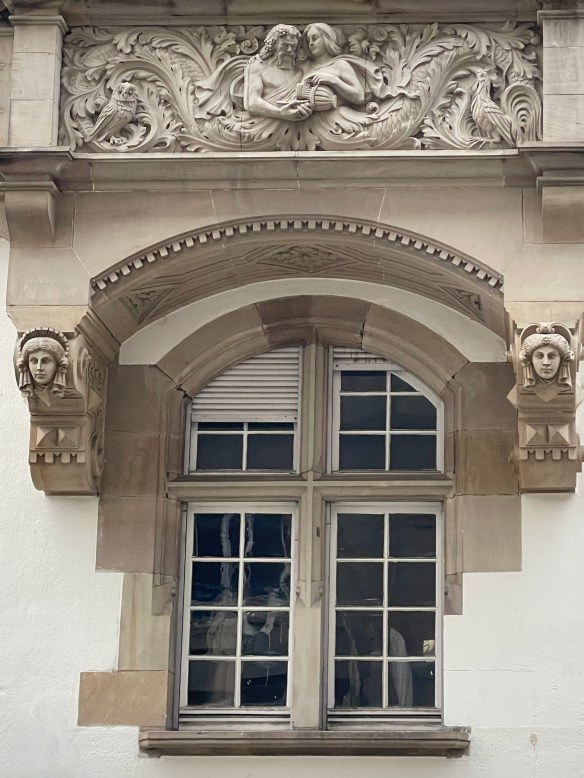

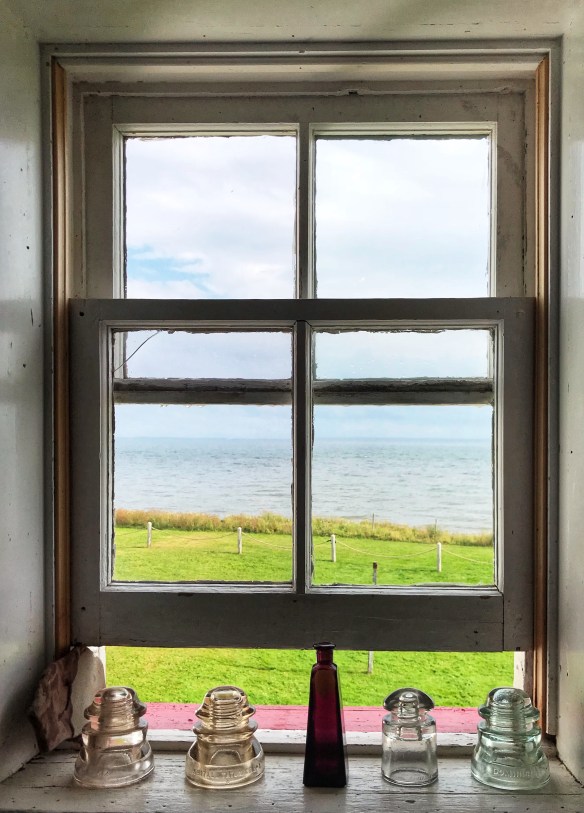

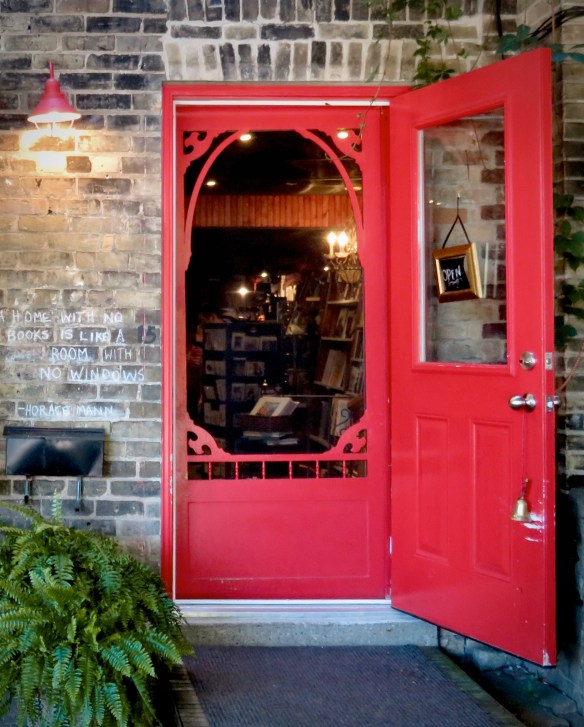
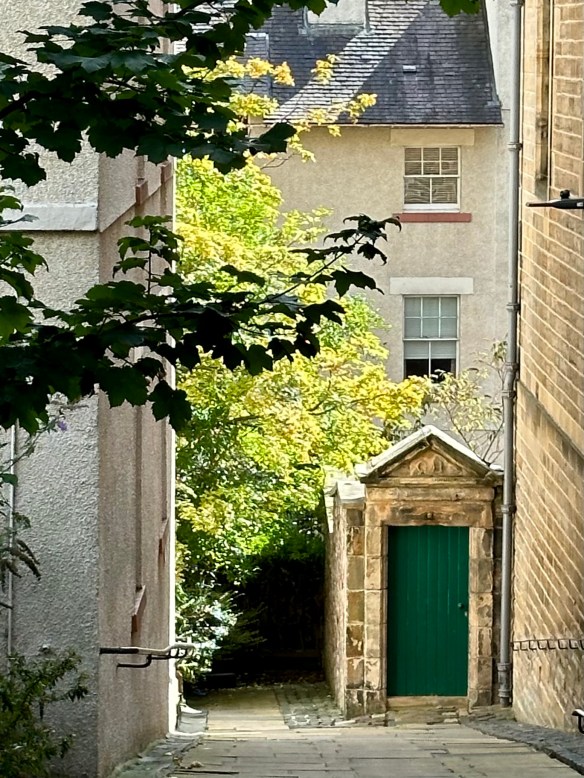
Perhaps it was serendipity, synchronicity, or the machinations of some random internet algorithm, but just as I explored my collection of doors and windows, I came across a Facebook group with the clever name…wait for it… Doors and Windows. It’s a public group. Anyone can join, and everyone following the rules is invited to share.
Taking a break from my own photos, I was soon lost in a myriad of images from all over the world. The variety was captivating, and like eating peanuts or potato chips, I could not stop at just one. Scrolling through example after example, I found the distraction I sought. Before long, however, it wasn’t enough to simply admire the photos. I was curious to know more. I wasn’t satisfied with the photographer’s name or where the door or window was located; I began to ponder the very notion of windows and doors and why we are drawn to memorialize them in paintings, photography, and even songs. I thought I’d be taking a deep dive, and although many others have taken that plunge, it seemed after some contemplation to be a juxtaposition of the basic and the complicated, and that was in itself the answer.
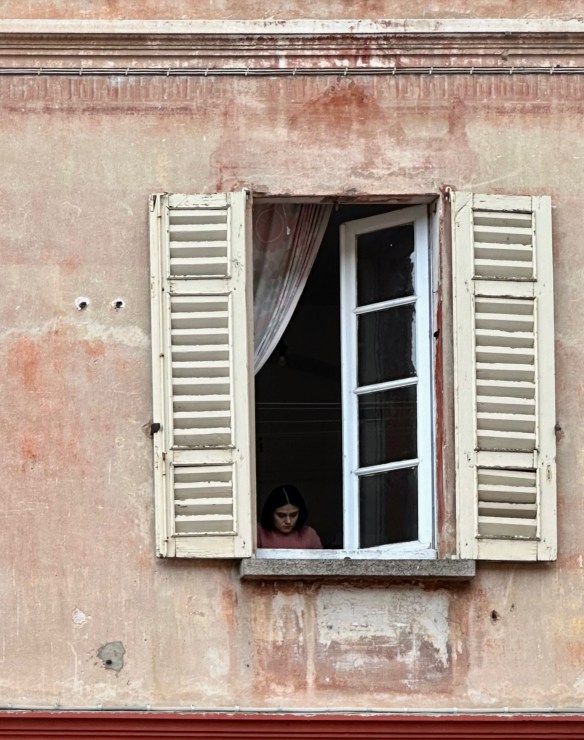

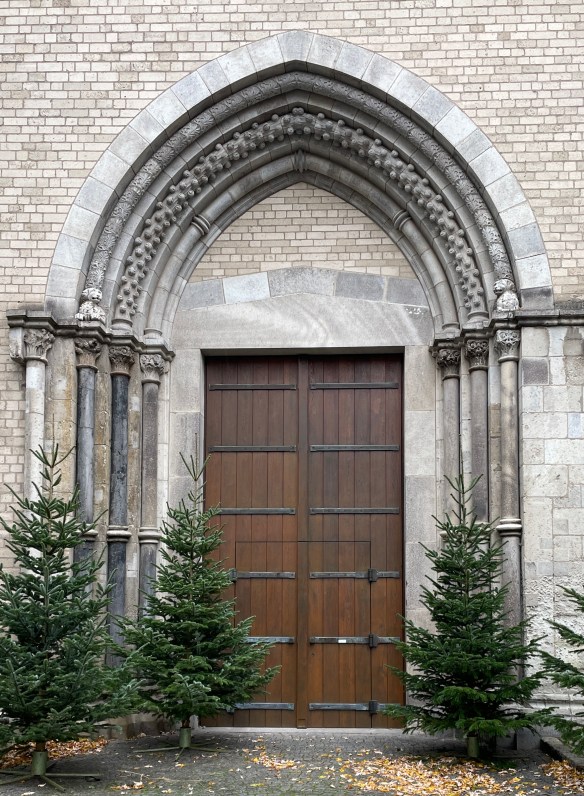
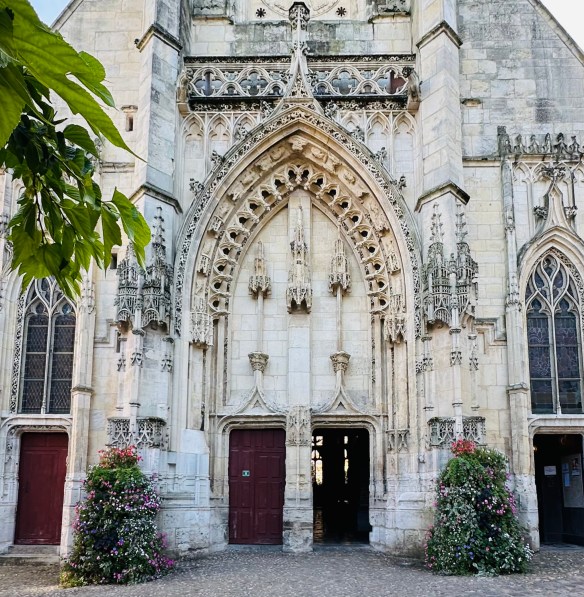
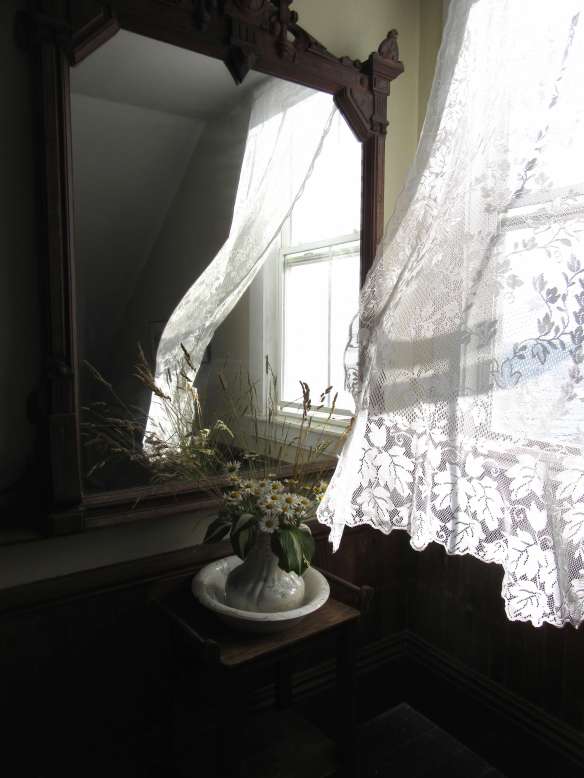
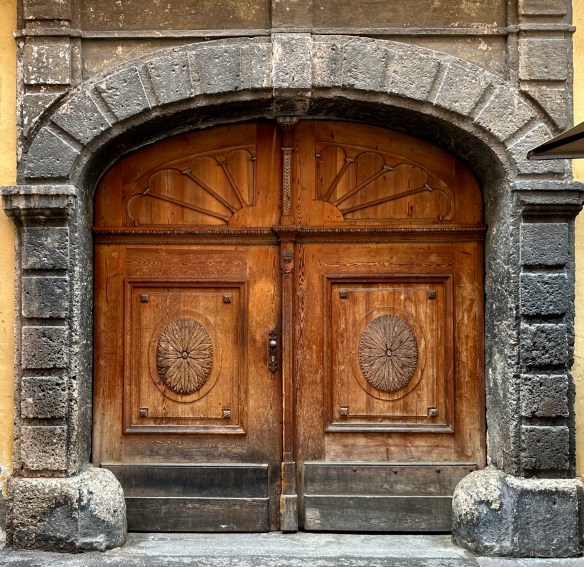
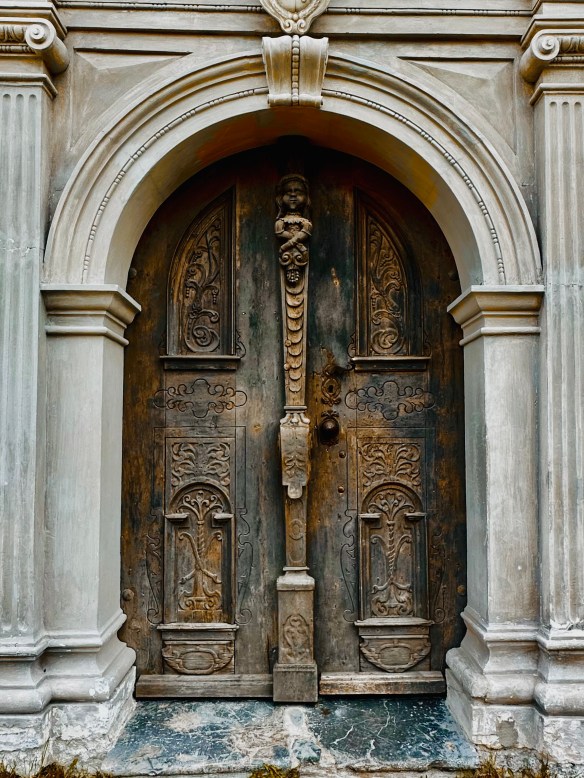
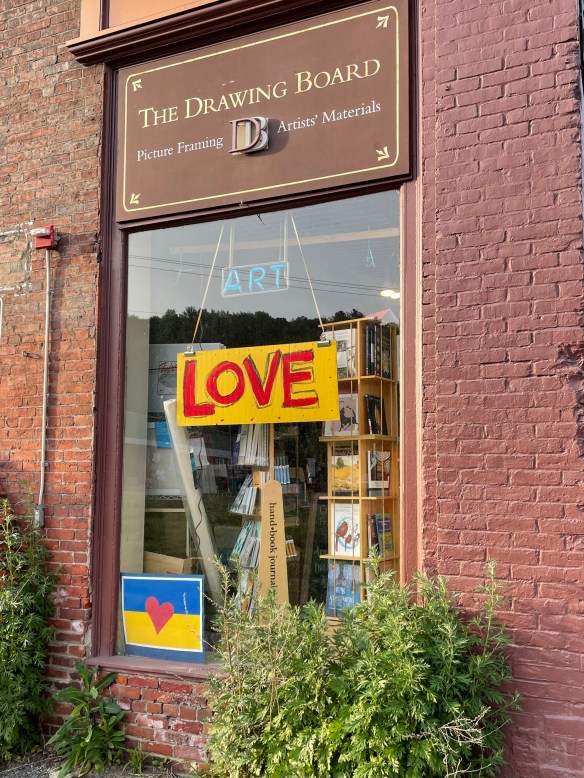
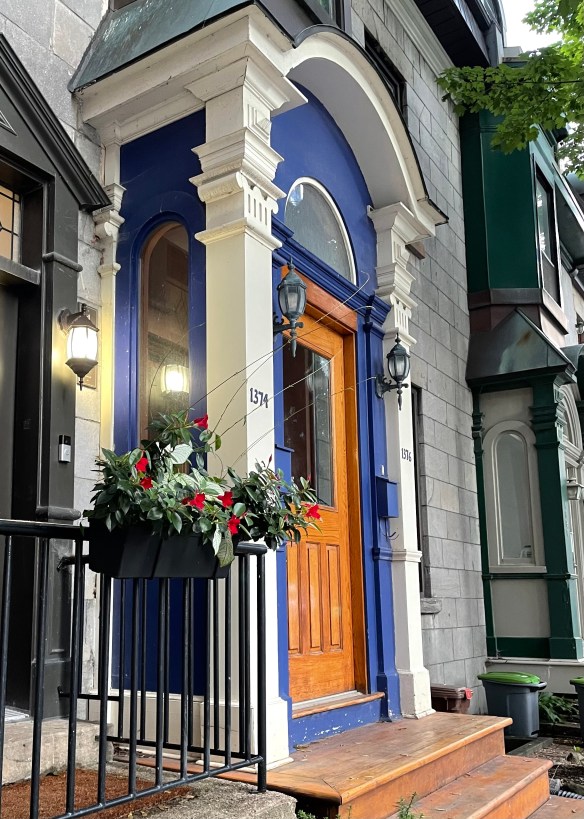
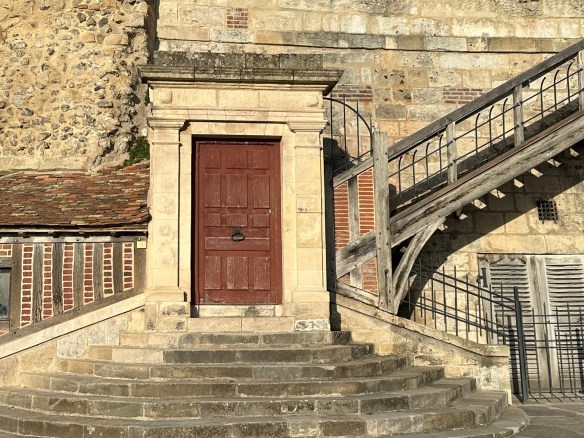
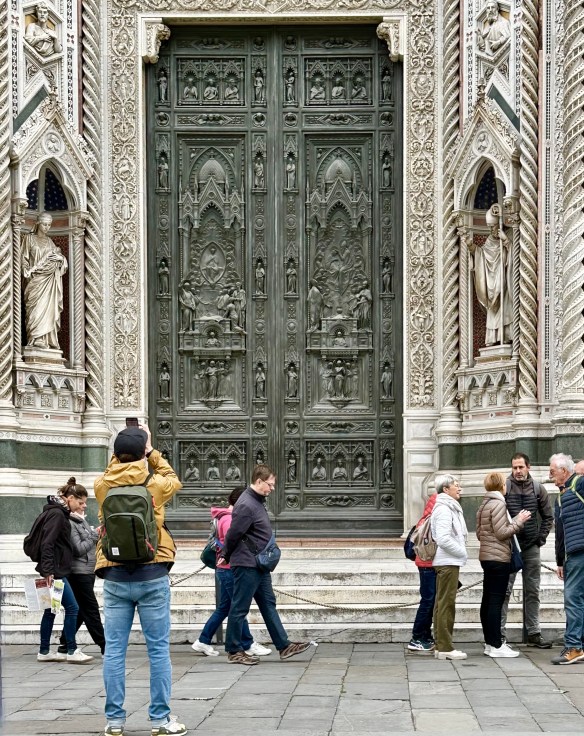
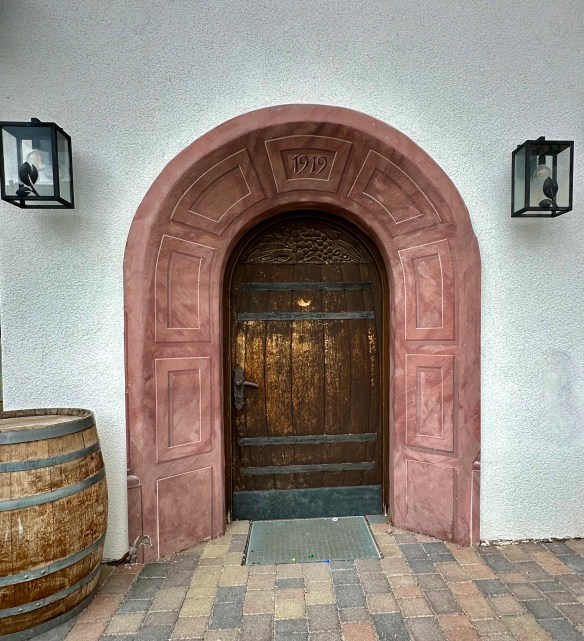
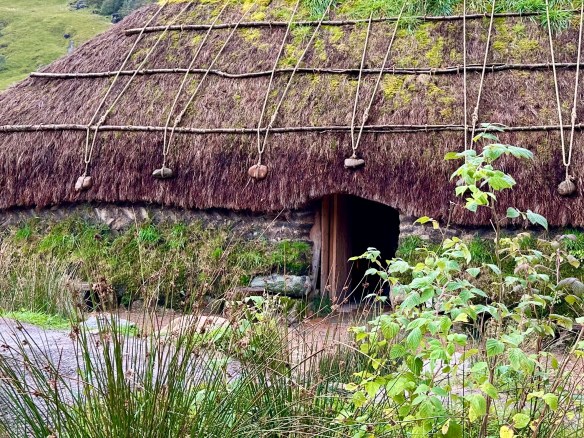
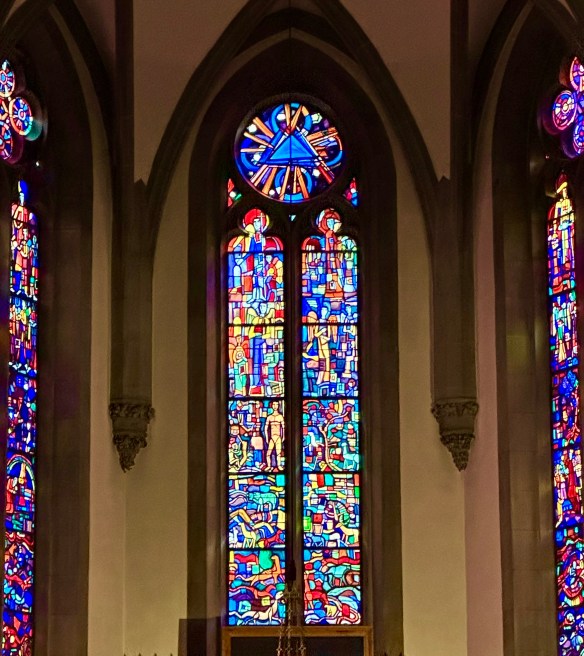
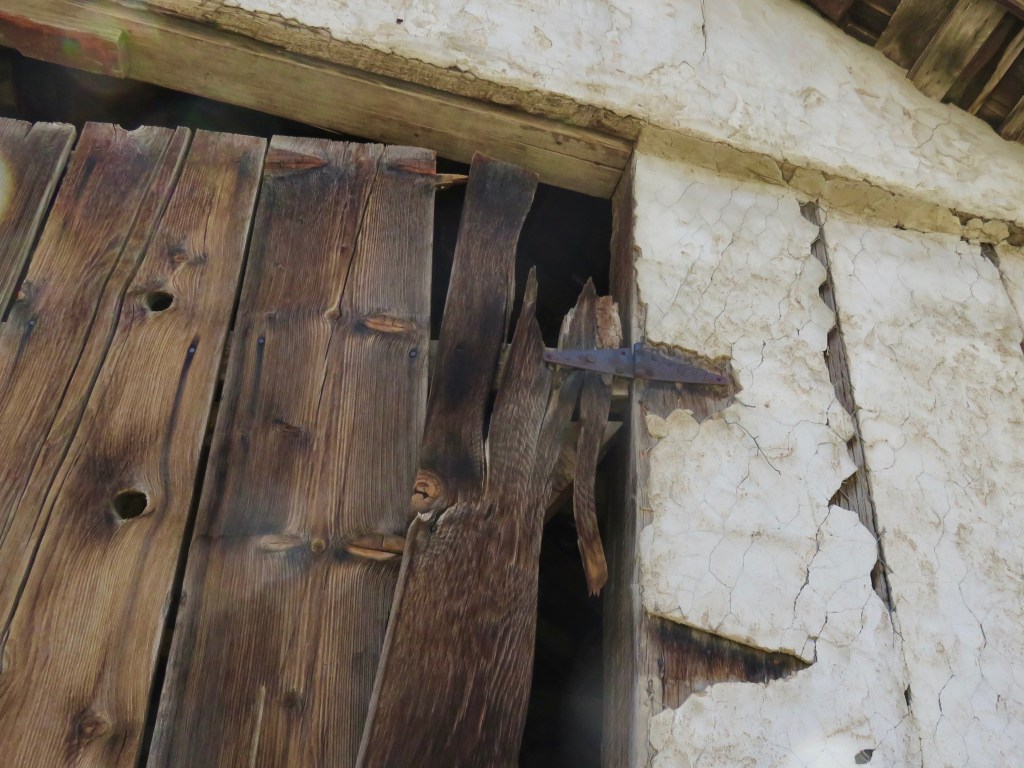
Doors and windows are the physical manifestation of our lives’ duality. They represent the known and unknown, what is and what might be, welcoming and inviting, or a barrier against the outside world. We hang wreaths, add painted decorations, and sometimes post a sign or notice inviting us in or imploring us to Beware of the Dog. Bright layers of chipped paint, door frames no longer at right angles, and brass handles polished by the many hands that used them provided more opportunities for questions and reflection. I found the glorious color of stained glass in cathedral windows, the countless panes in a city of skyscrapers, and the cracked and broken glass in humble and neglected buildings equally fascinating.
Of course, try as I might, I could only ignore the inauguration and the firehose of executive orders for so long. I was overwhelmed by the rapid pace of edicts and proclamations, which was the intent. However, I was still determined to resist. The only way someone could conquer my resolve was if I was willing to let them.
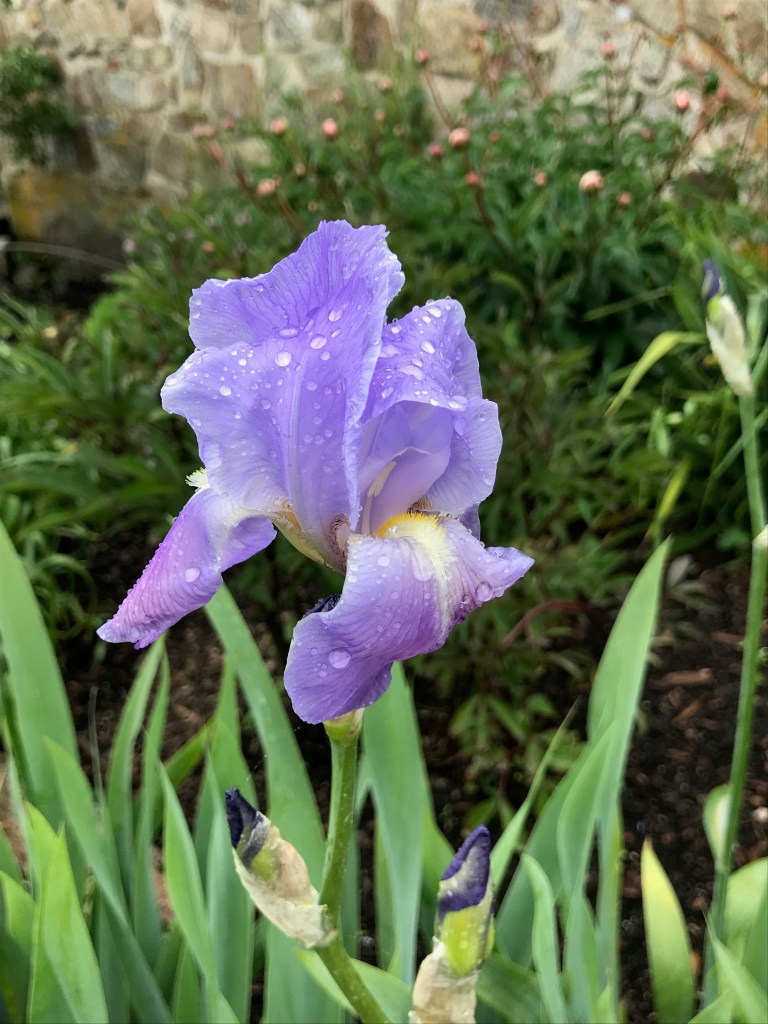
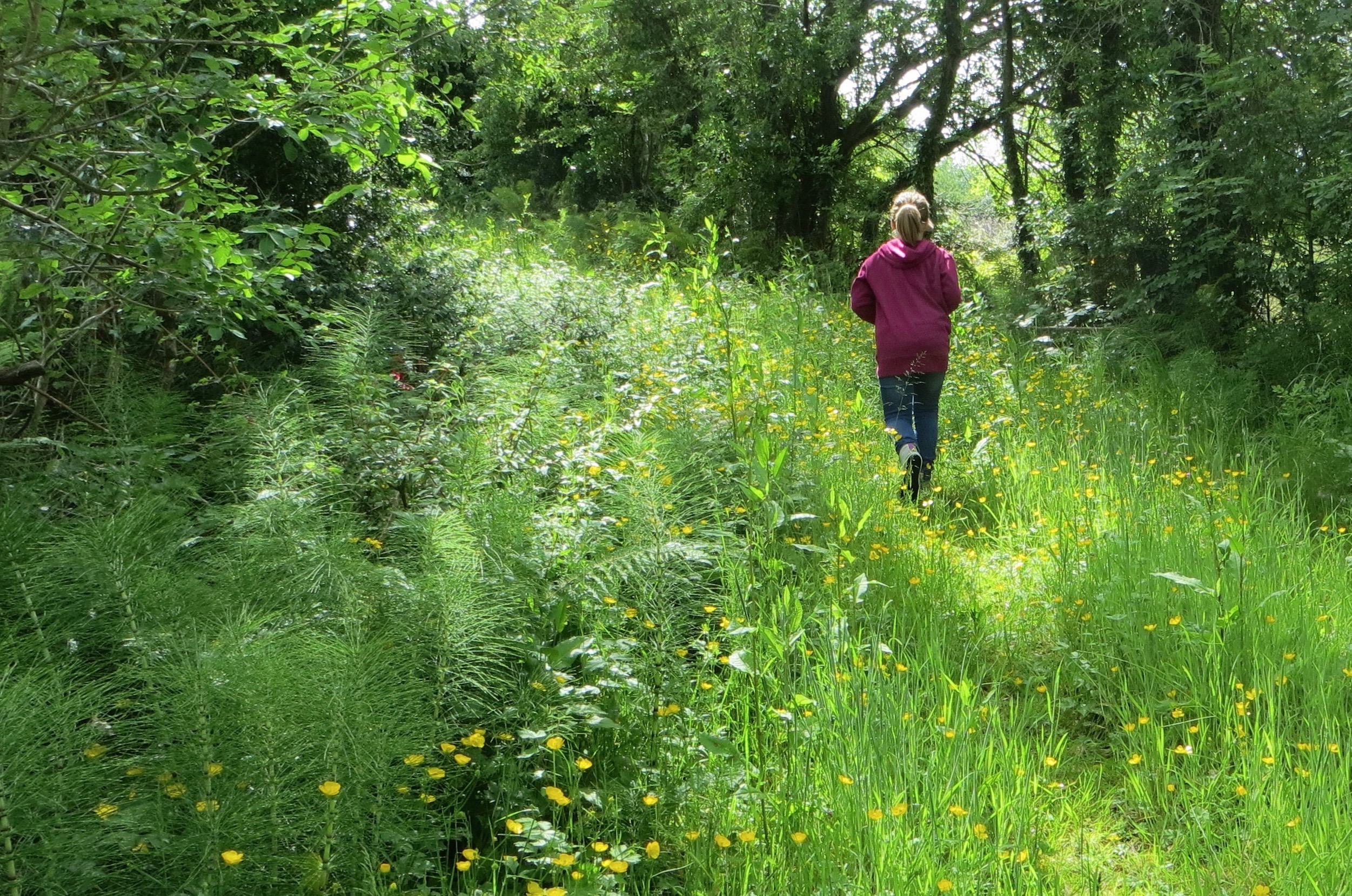
Then I remembered another bovine friend from my childhood brought to life through Robert Lawson’s pen and ink illustrations in Ferdinand the Bull by Monro Leaf. While all the other little bulls like to run, jump, and butt heads together, Ferdinand loved to sit quietly and smell the flowers. Like the cows in Mr. Peterson’s field next to the school, he was content to sit in the shade, delight in the fragrant flowers, and lose himself in dreams of…well…whatever it is that bulls dream.
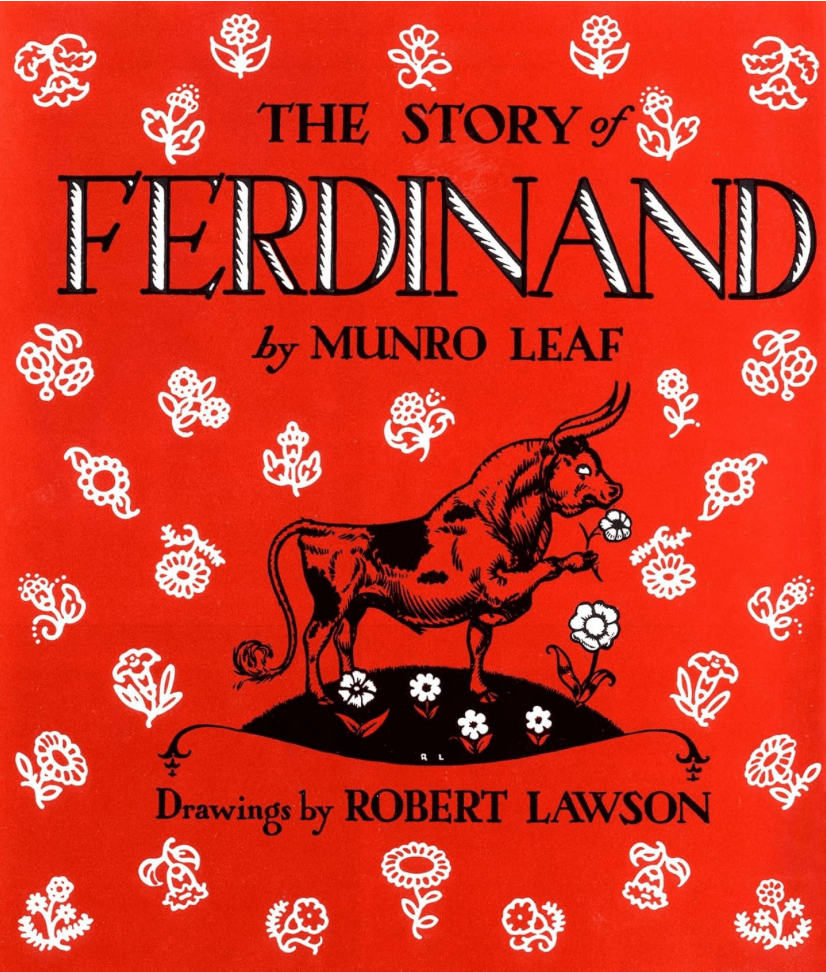
He paid little attention to the arrival of men looking for contestants…or victims… for the fights in Madrid. Ferdinand knew they would never choose him because he wasn’t interested in looking fierce and strong. He’d be fine, and the flowers were so inviting.
When Ferdinand accidentally sits on a bee and goes wild from the pain of the sting, the men from Madrid can’t help but take notice. They’d never seen anything like him.
Had I become Ferdinand, content to tune out the coming storm in favor of sitting quietly, going through photos, and reflecting on the meaning of doors and windows? Whether I was paying attention or not, the matador was entering the ring, and I felt the sting.
I arise in the morning torn between a desire to improve the world and a desire to enjoy the world. This makes it hard to plan the day. E. B. White
It’s true all the time, but in these challenging days, we are confronted head-on with the duality of our choices. Do we stay engaged, take action, or seek joy and beauty? These choices seem at odds, but perhaps that polarity is necessary. Bearing witness to hateful rhetoric and compassionless actions fills us with soul-destroying poison. The antidote comes in the form of kindness, justice, laughter, and appreciation of the wonder of the natural world surrounding us. Perhaps the lesson the windows and doors were teaching is that, at times, we need to be on the metaphorical outside…Doing Something and occasionally retreating inside, making space to rest, refresh, regroup, and simply revel in being alive. Resistance takes many forms.
When Ferdinand, the gentle bull who liked to sit quietly and smell the flowers, reached the bull ring in Madrid, he simply sat down—a common form of protest and what he did best. The story ends with him returning to his favorite tree to sit quietly and smell the flowers.
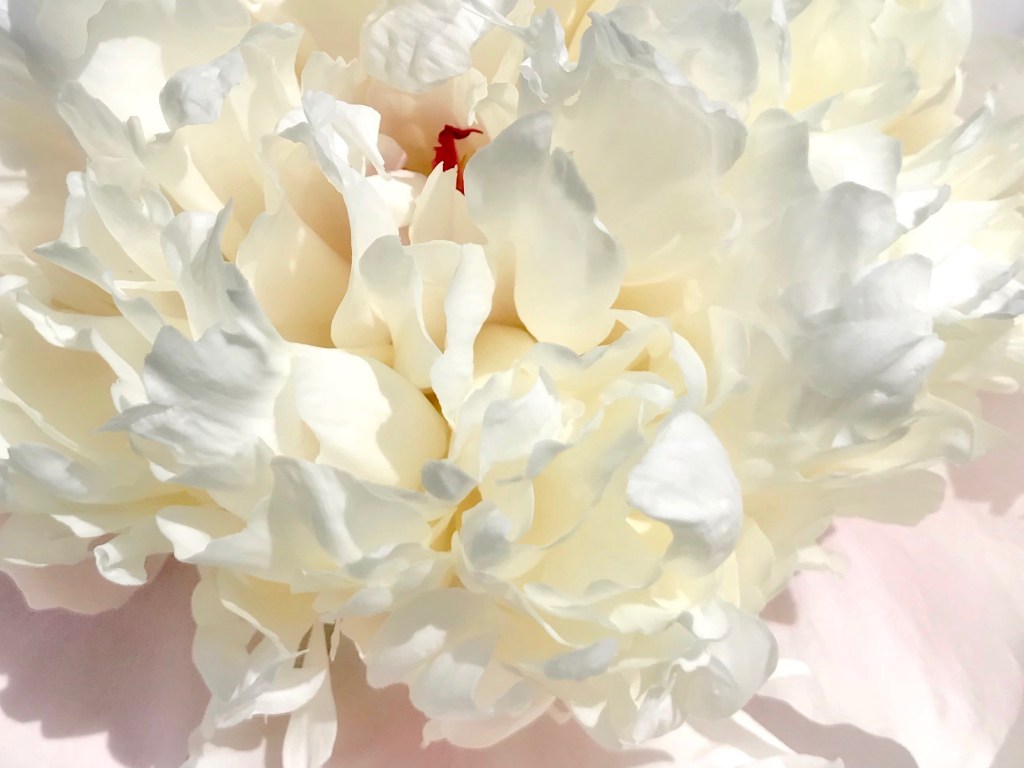
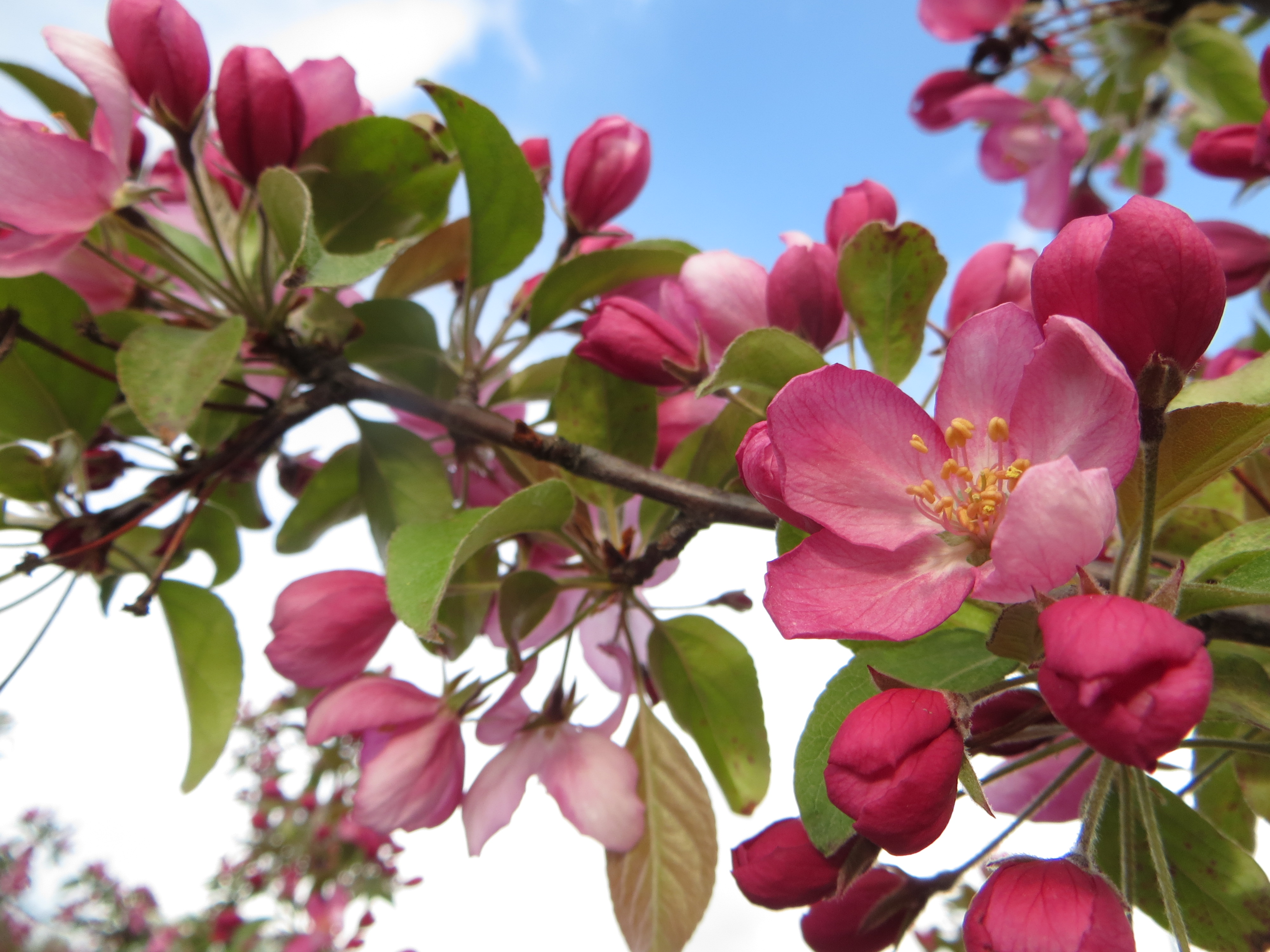
These times are scary as hell, but doors are waiting to be opened, and in a few months, flowers will bloom. I’m not ready to give in to despair. I will resist.
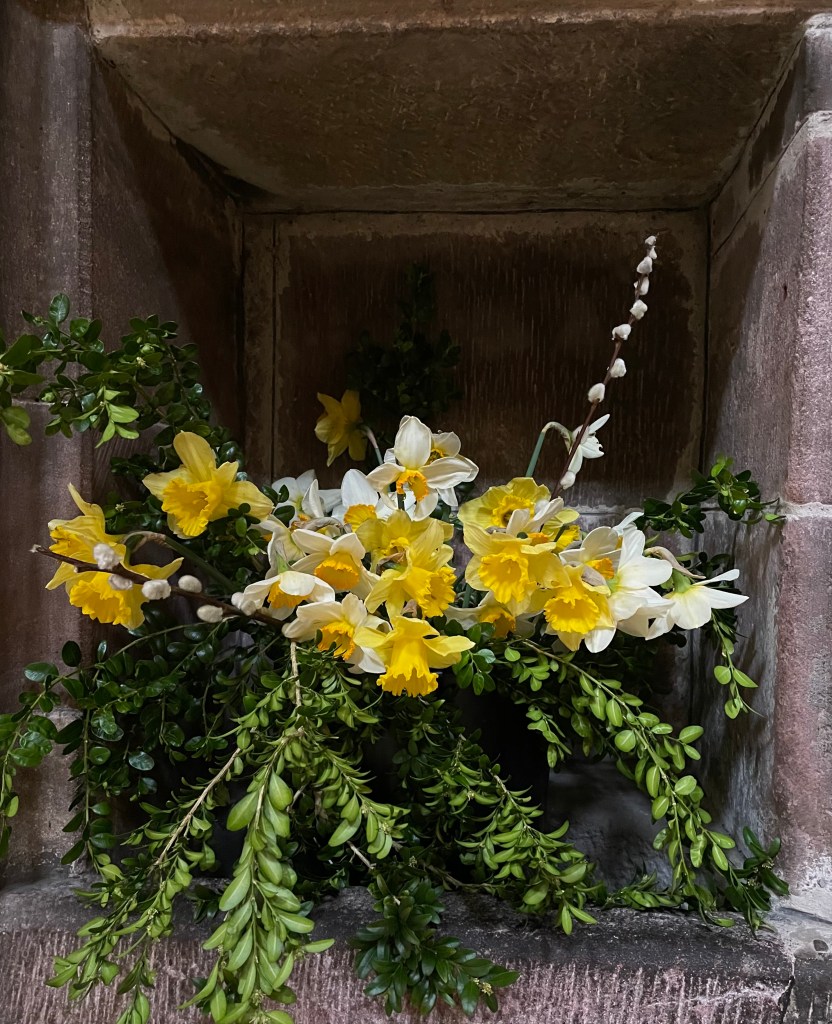
Edinburgh, Scotland 2022
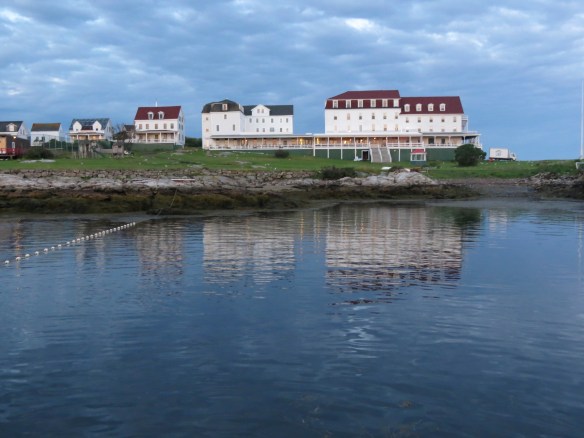

 One Wild and Precious Life